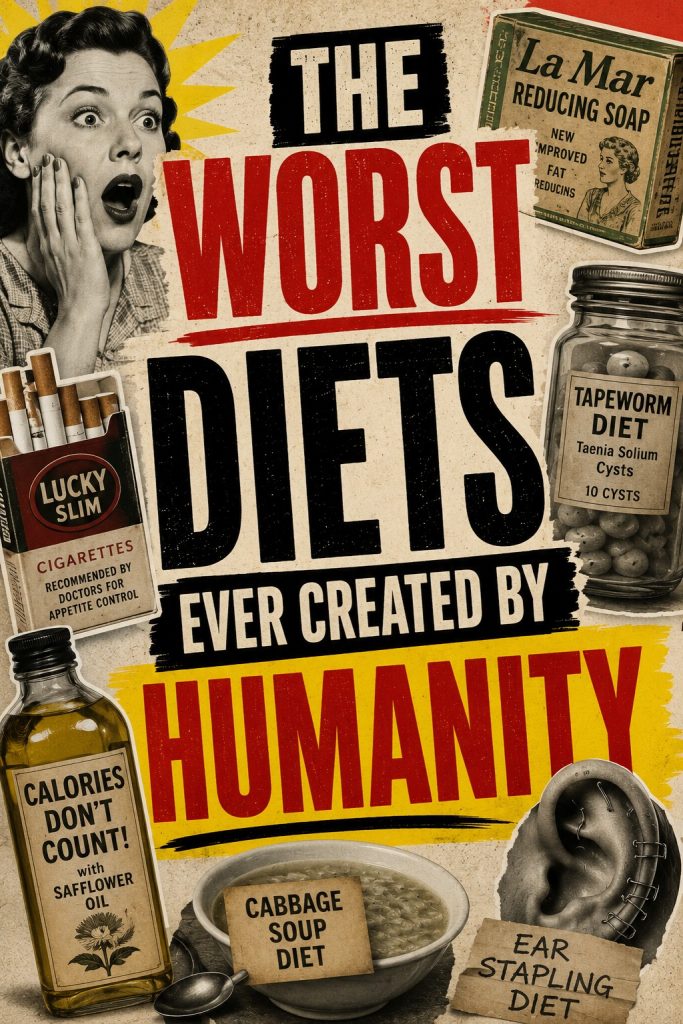
People will do almost anything to lose weight.
That might sound dramatic, but history is packed with examples of people following bizarre, dangerous diet trends in the hope of achieving rapid weight loss. Long before social media influencers were selling detox teas and miracle supplements, people were swallowing tapeworms, smoking cigarettes, and even stapling their ears.
The truth is that fad diets have existed for centuries. Whenever there’s pressure to achieve the “perfect” body, someone comes along with a new food diet, weight loss plan, or supposedly revolutionary shortcut that promises incredible results with minimal effort.

While some modern diets focus on reducing processed foods, increasing protein, or eating more whole grains, many historical diets went far beyond questionable and straight into completely crazy territory.
These 10 Diets Were Somehow Real and That’s Terrifying
Here are ten of the craziest diets in history, and proof that dangerous fad diets are definitely not a modern invention.
1. The Vinegar Diet
If you think today’s wellness influencers are extreme, wait until you meet Lord Byron.
Back in the 1820s, the famous British poet became one of the earliest celebrity diet influencers. His secret? Drenching food in vinegar and drinking large amounts of vinegar mixed with water throughout the day.
The dangerous diet apparently helped him lose around 60 pounds, but it came with some pretty unpleasant side effects. Vomiting, diarrhea, digestive issues, and malnutrition were common. Historians also believe Byron struggled with anorexia and bulimia.

Despite being one of the oldest unhealthy diets examples on record, versions of the vinegar diet still pop up today whenever someone claims apple cider vinegar is a miracle solution for weight loss.
2. The Cigarette Diet
Few things highlight how much health advice changes over time quite like the cigarette diet.
Today we know smoking increases the risk of heart disease, cancer, stroke, and countless other health problems. But in the early twentieth century, cigarettes were actually marketed as a way to lose weight.
Advertisements encouraged women to smoke instead of eating snacks. Some doctors even recommended cigarettes as appetite suppressants.
Hollywood wasn’t much better. While filming The Wizard of Oz, teenage star Judy Garland was reportedly encouraged to smoke cigarettes to curb her appetite and keep her weight down. If that sounds horrifying today, that’s because it is. But at the time, cigarettes were widely viewed as a perfectly acceptable tool for weight loss, even for young actresses working on one of the most famous movies ever made.
It’s hard to imagine now, but this was once considered a legitimate weight loss plan.
Looking back, it easily earns a place among the worst diets in the world.
3. Graham’s Cracker Diet
Yes, the same Graham cracker you eat around a campfire has surprisingly strange origins.
Presbyterian minister Sylvester Graham believed that bland foods could improve both physical and moral health. In the 1830s, he promoted a strict diet consisting mainly of simple foods, whole wheat products, and the crackers that would eventually bear his name.
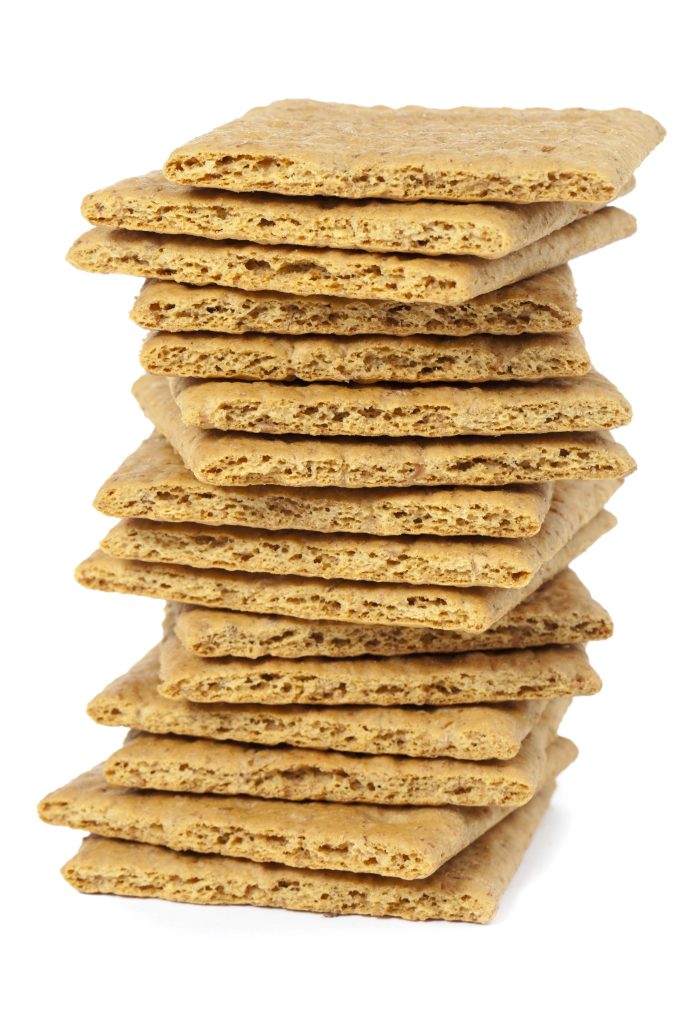
Unlike some other bad diets on this list, Graham’s focus on avoiding heavily processed foods wasn’t entirely misguided. However, his beliefs extended into some rather unusual territory involving morality and self-control.
The result was one of the earliest diet movements in American history.
4. Slimming Soaps
If exercise sounds difficult and healthy eating sounds boring, why not just wash the fat away?
At least that was the sales pitch behind slimming soaps during the 1930s.
Products with names like “FatOff” and “La Mar Reducing Soap” promised weight loss simply through bathing. Women across America bought them hoping the soap would somehow melt away unwanted weight.
Spoiler alert: it didn’t.
The only thing these products really reduced was the amount of money in people’s wallets.
This remains one of the strangest fad diets examples ever marketed to the public.
5. The Tapeworm Diet
If there were an award for the most horrifying diet in history, this one would be a serious contender.
In the 1950s, some people deliberately swallowed tapeworm cysts in hopes that the parasites would consume excess calories and help them lose weight.
Technically, the tapeworm was eating something.

The problem was that it wasn’t just consuming food intake. Tapeworms can grow to enormous lengths, steal nutrients, cause nutritional deficiencies, trigger infections, and in severe cases even lead to death.
Among all the dangerous fad diets ever created, this might be one of the most reckless.
6. Calories Don’t Count
That title alone should probably have raised some red flags.
In 1961, Dr. Herman Taller promoted a plan that claimed people could eat as much fatty meat and high-protein food as they wanted as long as they followed meals with safflower oil.
The message was incredibly appealing. Unlimited calories with no consequences? Sign people up.
Millions did exactly that.

His book sold more than two million copies before investigations revealed that the supplements he was selling were essentially useless. Eventually, he was convicted of mail fraud.
It’s a reminder that if a diet sounds too good to be true, it probably is.
7. The Drinking Man’s Diet
Imagine being told you can eat steaks, burgers, bacon, and other high-fat foods while washing everything down with alcohol and still lose weight.
That’s exactly what the Drinking Man’s Diet promised.
The low-carb approach became wildly popular during the 1960s and influenced many of the most popular diets that followed.
Unfortunately, there were some obvious flaws. Excessive alcohol consumption brings its own health risks, including effects on blood pressure, heart health, and overall nutrition.
Even Time Magazine felt compelled to point out the problems with this particular craze.
8. The Sleeping Beauty Diet
This may be one of the most dangerous diet trends ever attempted.
The concept was simple. You can’t eat if you’re asleep.
Followers would often binge eat before taking powerful sedatives that kept them asleep for extended periods, sometimes lasting several days.
Besides the obvious risks associated with heavy sedation, there was also the danger of dependency, overdose, and serious medical complications.
Rumors have even linked this diet to celebrities over the years, although many of those stories remain unverified.
Either way, sleeping through your meals is not a healthy approach to weight loss.

9. The Great Masticator Diet
Horace Fletcher became famous in the early 1900s for an unusual theory.
He believed that if people chewed food thoroughly enough, they could absorb nutrients without actually swallowing most of what they ate.
Followers were instructed to chew every bite dozens of times before spitting it out.
The theory was that the body would receive nutrition without taking in calories.
That’s not how digestion works, of course.
Still, Fletcher became enormously influential, proving that people have always been willing to embrace odd diets when they promise fast results.
10. The Ear Stapling Diet
The early 2000s gave us reality TV, flip phones, and ear stapling.
This procedure involved placing surgical staples into the inner ear cartilage. Practitioners claimed it would suppress appetite through pressure points similar to acupuncture.
People often left the staples in place for months.
Unfortunately, many ended up with infections, scarring, and permanent disfigurement.
Medical experts repeatedly warned against the practice, but curiosity and desperation kept drawing people in.
It’s one of the most modern examples of how far some people will go in pursuit of weight loss.
What These Crazy Diets Teach Us
Looking back at these insane diets, it’s easy to laugh at some of them. After all, who seriously thought smoking cigarettes or swallowing parasites was a good idea?
The uncomfortable truth is that every generation has its own version of these dangerous diet trends.
Whether it’s the cabbage soup diet, extreme detoxes, eating cotton balls to lose weight, highly restrictive eating plans, or social media health hacks, people are still searching for shortcuts.
Many fad diets promise dramatic short term results, but they often come with serious risks. Nutritional deficiencies, muscle loss, unhealthy relationships with food, and long-term health consequences can outweigh any temporary weight loss.
That’s one of the biggest lessons in the pros and cons of fad diets. The “pro” is usually rapid short term weight loss. The cons can include damage to your health, poor nutrition, unsustainable eating habits, and a much higher chance of regaining the weight later.
Are Modern Diets Any Better?
Not all diets are bad. Some approaches, such as the paleo diet or plans that emphasize whole foods, lean protein, fruits, vegetables, and whole grains, can encourage healthier eating habits when followed sensibly.

The problem comes when any diet promises miracle results, demonizes entire food groups, or claims you can completely ignore basic nutrition science.
The healthiest approach usually isn’t the most exciting one. It involves balanced eating, regular movement, realistic expectations, and sustainable habits that can be maintained for the long term.
Unfortunately, “eat reasonably and be patient” doesn’t sell nearly as many books as the crazy weight loss diets of “swallow this tapeworm and watch the pounds disappear.”
Which probably explains why the craziest diets in history keep happening over and over again.
More to Read
- Shark Dreams Are Basically Your Brain Screaming “Trust No One”
- 15 Long Distance Relationship Red Flags To Watch For
- 90s Candy That Doesn’t Exist Anymore (And Yes, We’re Still Mad About It)
- Finished The Testaments? Watch Al Rawabi School for Girls Next
Did any of these bizarre diets surprise you? From tapeworms and cigarettes to ear stapling and slimming soap, history is full of strange attempts to lose weight that sound almost unbelievable today.
If you enjoyed reading about the craziest diets in history, please share this post with your friends and family on Facebook, Pinterest, or your favorite social media platform. You never know who might get a laugh out of discovering just how far people have gone in the pursuit of weight loss. Your shares help support the site and allow us to keep creating fun, fascinating content like this. Thanks for reading!