
So you’ve finished The Testaments and now you’re staring at your screen wondering what on earth you’re supposed to watch next.
I have one answer.
Watch Al Rawabi School for Girls.
Trust me.
I know at first glance it might seem like a completely different type of show than the Testament’s or the Hand Maid’s Tale. There are no red cloaks, no dystopian government, and no fictional republic called Gilead. But somehow the energy feels surprisingly similar.
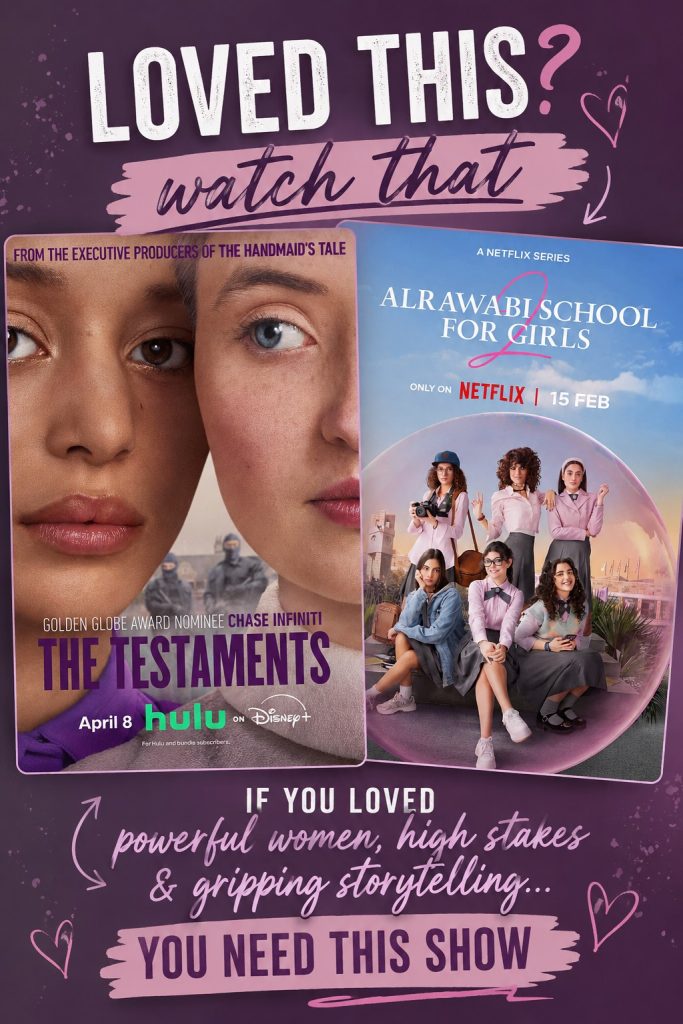
If what hooked you in The Handmaid’s Tale and The Testaments was the way women navigate power, social expectations, restrictions, friendships, betrayals, and survival within systems bigger than themselves, then Al Rawabi School for Girls absolutely deserves a place on your watchlist.
I have been absolutely obsessed with The Testaments. It’s one of those rare shows that completely pulls you into its world and refuses to let go. The writing is sharp, the characters are fascinating, and every episode leaves you desperate to know what happens next. Even as someone who loved The Handmaid’s Tale, I wasn’t expecting to get quite this invested, but it genuinely exceeded my expectations.
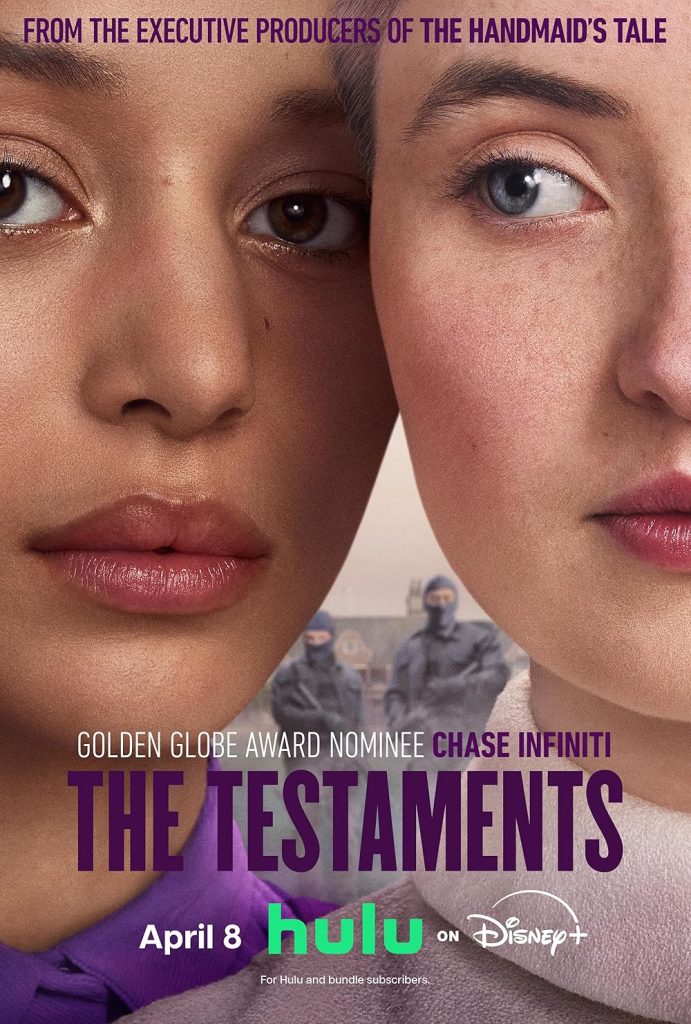
But one of the last times I was so into a show, was Al Rawabi School for Girls, and I think this one needs more recognition. I would say it’s one of the most underrated shows I’ve watched in years.
Not that many people talk about this show, but I envy all of you who haven’t seen it yet because you still get to experience it for the first time.
There are currently two seasons, and I’m still hoping Netflix decides to make more sometime in the future.
One of the reasons Al Rawabi works so well is that it takes issues that feel huge and personal at the same time. The setting is a prestigious girls’ school in Jordan, but the themes are universal. The characters are dealing with friendship, bullying, reputation, family expectations, social pressure, identity, and what it means to be a young woman trying to find your place in the world.
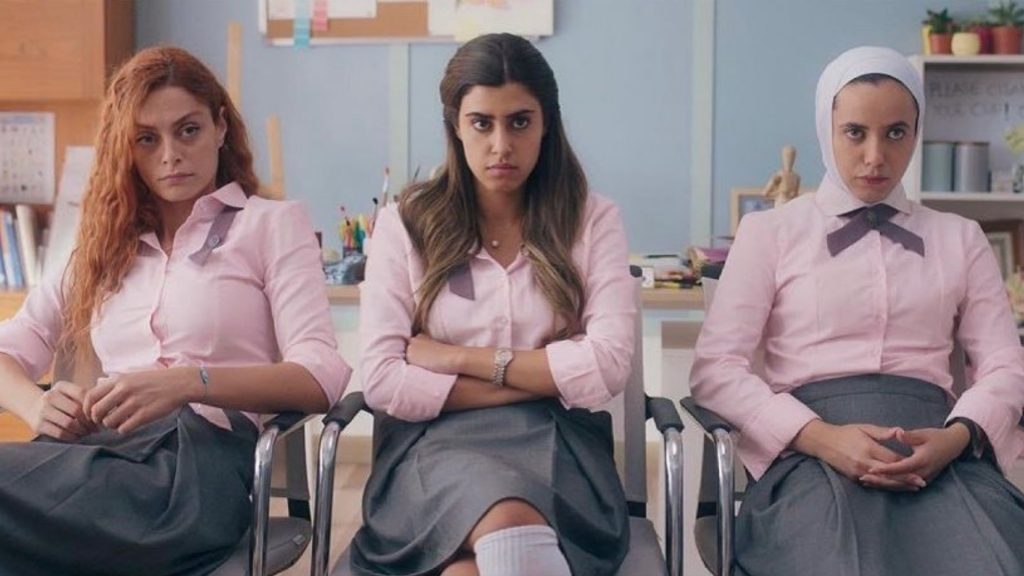
Another thing I love about Al Rawabi School for Girls is that it’s set in the Middle East. Depending on your own background and experiences, that may feel very familiar or it may offer a fascinating glimpse into a culture you don’t know as well.
Either way, the show does a fantastic job of balancing universal teenage experiences with the specific social expectations, family dynamics, and cultural pressures that shape the characters’ lives.
The girls are dealing with issues that young women everywhere can relate to, but they’re doing so within a context that feels fresh and authentic. It gives the show a unique perspective that you don’t often see in mainstream teen dramas, and that’s part of what makes it so compelling.
Season one begins with a brutal bullying storyline that quickly spirals into a gripping revenge plot. What starts as a story about one girl’s suffering becomes a much deeper examination of power, consequences, loyalty, and the ways people hurt each other. There are no clear heroes and villains. Almost everyone makes choices that are understandable, even when they’re difficult to defend.

If you’re looking for your Aunt Lydia equivalent, keep an eye on Ms. Abeer. She’s nowhere near as extreme, but she has that same frustrating quality of enforcing a system that puts pressure on girls while believing she’s doing the right thing.
Season two introduces a completely new group of girls and explores themes around social media, popularity, beauty standards, relationships, ambition, and the pressure to fit into impossible expectations. It feels very modern and painfully relevant, especially in a world where teenagers are growing up under constant online scrutiny.
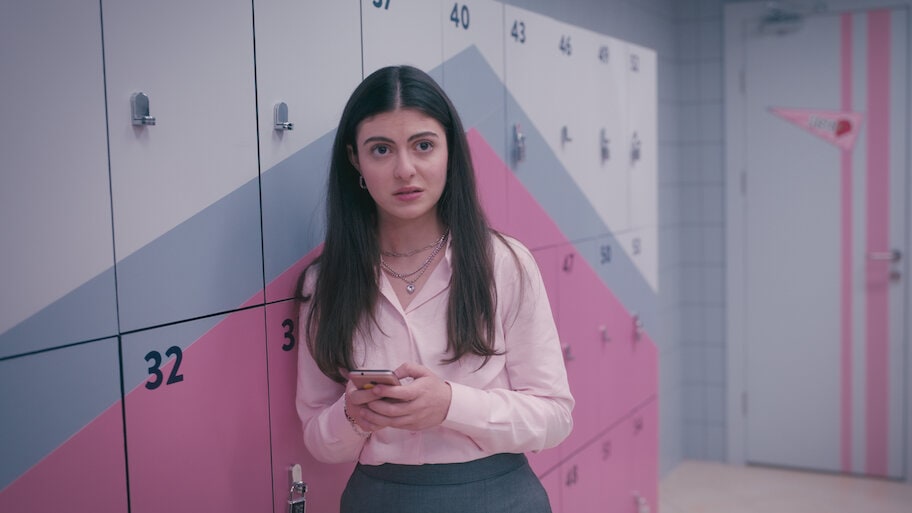
What makes both seasons so compelling is how they balance personal drama with larger social issues. The girls aren’t just dealing with each other. They’re navigating expectations from family, culture, school, and society. Every decision carries weight.
And isn’t that one of the things that made The Testaments so addictive, too?
The specific circumstances are obviously different, but both shows are interested in what happens when women and girls have to navigate systems that limit their choices. Both explore how friendships can save you or destroy you. Both examine the complicated ways people respond to power, fear, conformity, and resistance.
Margaret Atwood famously said that nothing she included in Gilead was invented from scratch. Every form of oppression, control, or abuse in her fictional world had happened somewhere in real life at some point in history.
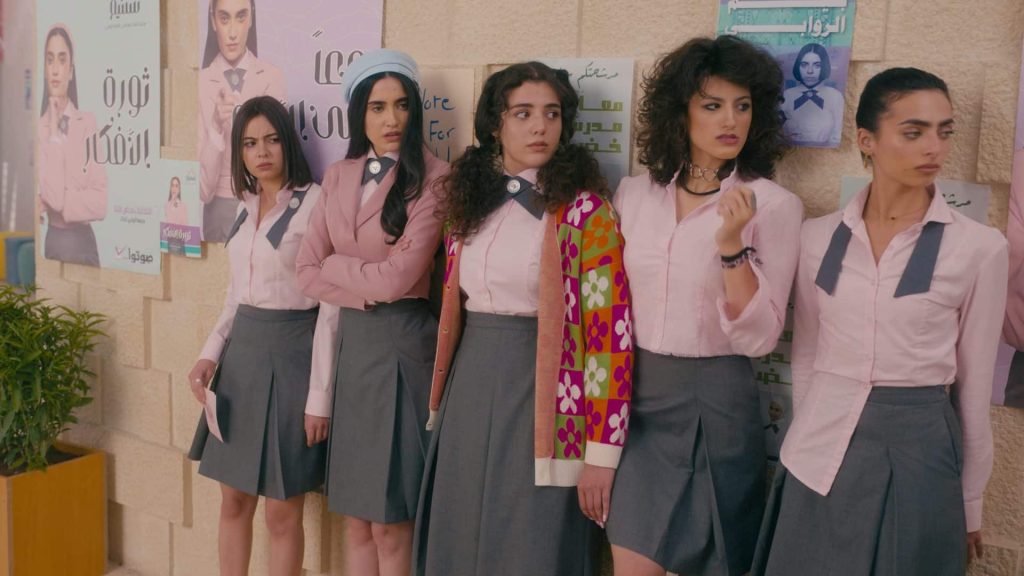
So while Al Rawabi School for Girls isn’t a dystopian story, it does explore real-world pressures and restrictions that many girls and women face. The setting is realistic, but that doesn’t make the themes any less powerful.
If you loved the high school politics in The Testaments, the complicated female characters, the social commentary, the emotional twists, and the feeling that every choice matters, then Al Rawabi School for Girls is probably the closest recommendation I can make.
It’s sharp, emotional, frustrating, thought-provoking, and impossible to stop watching.
And don’t make the mistake of thinking this is “just” a teen drama. Much like The Testaments and The Handmaid’s Tale, the stakes become far higher than they first appear. Decisions have real consequences, small actions can spiral into life-changing events, and the pressure placed on these young women can have devastating results. Without giving away spoilers, there are moments in Al Rawabi School for Girls where the consequences turn genuinely tragic.
That’s what makes the show so gripping. Beneath the school gossip, friendships, and rivalries is a much deeper story about reputation, power, judgment, and what can happen when people are trapped by expectations they never chose. Yes, it really is that deep.
You’ll laugh, you’ll get angry, you’ll change your mind about characters multiple times, and you’ll probably end up binge-watching both seasons far faster than you intended.
And when you’re done, you’ll be joining the rest of us hoping for a season three. (Season 1 premiered in August 2021, and Season 2 dropped in February 2024, so it’s definitely still possible)
But seriously – Just go watch it.

More TV and Movie Recommendations
If you’re always searching for your next binge-watch, take a look at some of our other TV and movie recommendations. Whether you’re looking for complex female characters, addictive drama, thought-provoking social commentary, or shows that keep you thinking long after the shows that keep you thinking long after the credits roll roll, we’ve got plenty more suggestions to help fill the void when your latest obsession comes to an end.
- What to Watch Next Now That Stranger Things is Ending
- If You Loved Squid Game, Here’s What to Watch Next
- 13 Must-Watch Shows for Fans of Wednesday on Netflix
- 22 Best AI Movies About Artificial Intelligence
- 9 Best Wilderness Survival Movies That Will Leave You Breathless
- What Is the Pixar Theory and Does It Actually Make Sense
And if you enjoyed this article, please share it with your friends on social media. You never know who might be desperately searching for what to watch after finishing The Testaments – and trust me, they deserve to discover Al Rawabi School for Girls too.