
There’s been a lot of noise around the Taylor Swift Opalite video. People are busy talking about how nerdy it is, how millennial it feels, how random the cameos are, or why it’s set in a shopping mall in Croydon, South London.
And sure, the visuals are loud, playful, and very Taylor. But if you actually watch what’s happening, there’s a clear storyline running straight through it, and it’s actually one of the most relatable things she’s done in a while.
The Meaning of The Opalite Music Video
If you’ve seen people dismissing the Opalite music video as “random” or “just vibes,” you can safely ignore them. This is Taylor Swift doing what she’s always done best – wrapping a very intentional story inside something playful, nerdy, and extremely millennial.
The jokes land, the visuals are loud, and the setting is gloriously ordinary, but underneath all of that is a clear narrative about loneliness, self-blame, and choosing joy anyway. You don’t have to overthink it, but you do have to actually pay attention.
At the start, we’re shown two lonely people who are technically “with” someone, but in the most wrong way possible. Taylor is weighed down by a rock. He’s stuck with a cactus.

Both relationships are uncomfortable, unsuitable, and honestly kind of painful. They slow them down, hurt them physically, and make everyday life harder. It’s not subtle, but it’s clever. These aren’t dramatic villains or toxic caricatures. They’re just wrong fits. Heavy. Sharp. Draining.

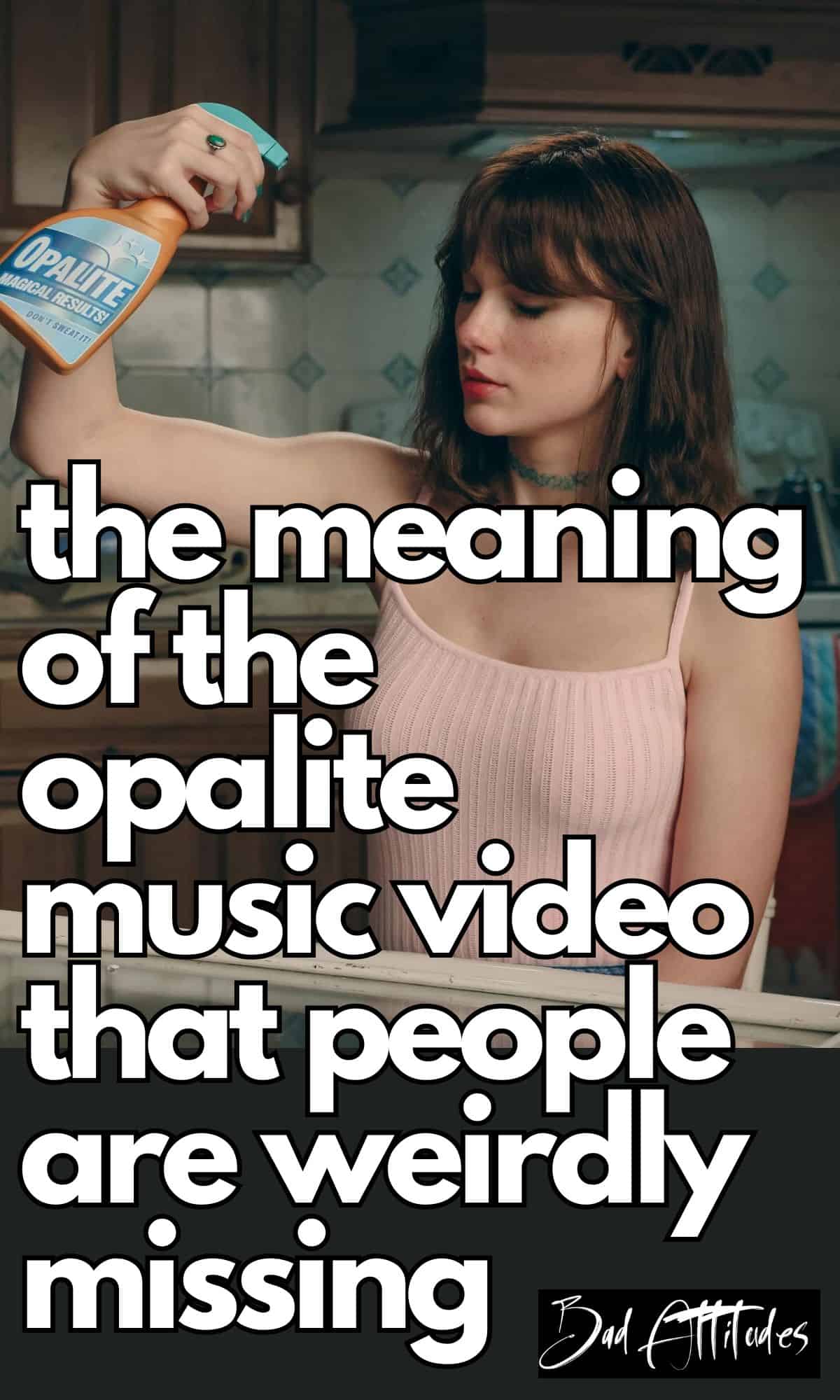
Why Does Taylor Spray Herself with the Opalite?
What’s interesting is how Opalite comes into play. The man sprays the cactus, clearly seeing the problem as something external that needs fixing. Taylor, on the other hand, sprays herself. She assumes she’s the issue. That moment feels painfully on-brand and very intentional. It’s a quiet nod to how often women internalize blame when something in their life isn’t working, even when the problem isn’t them at all.

Once the weight is gone, they find each other. And this is where the video really settles into what it’s trying to say. There’s no makeover montage, no sudden glow-up designed to impress anyone else. They just… exist together. They lean into their nerdy joy. They do silly things. They stop performing for the outside world and start enjoying their own little bubble.

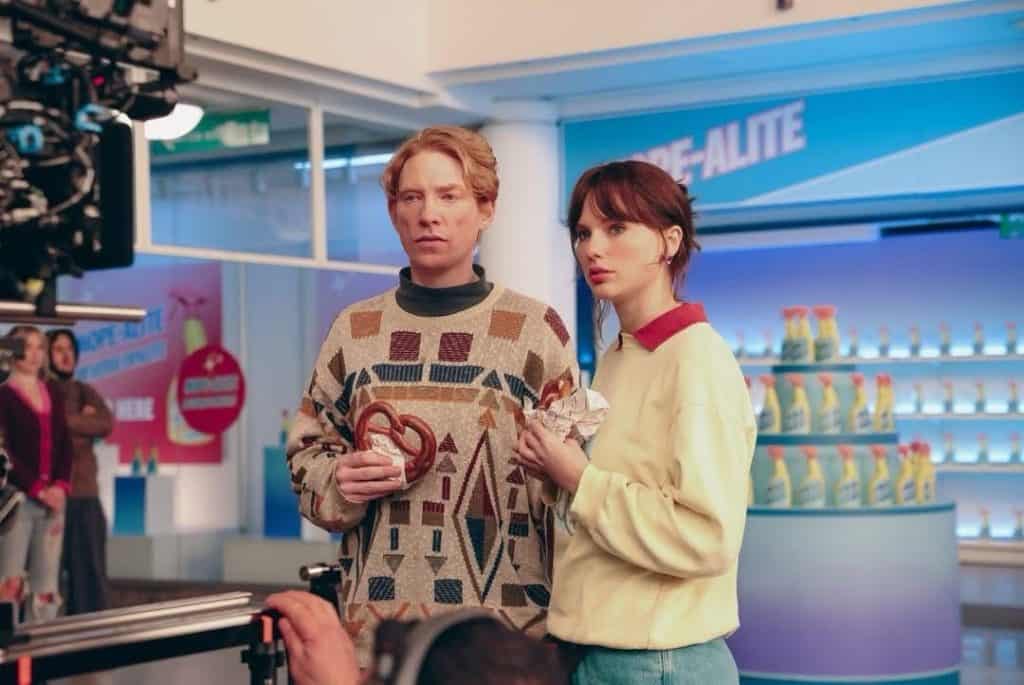
The mall dance scene is the perfect payoff. It’s awkward, joyful, and iconic in that very specific Taylor Swift way. When the judges give them zero, it doesn’t matter. They don’t flinch. They don’t care. Because the whole point is that the approval of strangers is irrelevant when you’ve found your person and your rhythm. The dance isn’t for the judges. It’s for them. It’s an inside joke. A shared language. A tiny world where they’re happy, and everyone else’s opinion just fades into background noise.

That’s what makes Opalite work so well. Under the sparkle, the humor, and the deliberately nerdy chaos, it’s a simple story about letting go of what hurts, stopping the self-blame, and choosing joy without apology. It’s about finding someone who matches your weird and deciding, together, that you don’t need to explain it to anyone else.
People can keep getting distracted by the visuals if they want. But the plot is there, it makes sense, and honestly, it’s very Taylor Swift to hide something emotionally sincere inside something that looks unserious at first glance.
The Meaning of the Song Opalite
There’s also something really clever about the choice of opalite itself. Opalite isn’t a natural gemstone. It’s a man-made version of an opal, created rather than discovered. And that ties perfectly into the message of the song and the video.
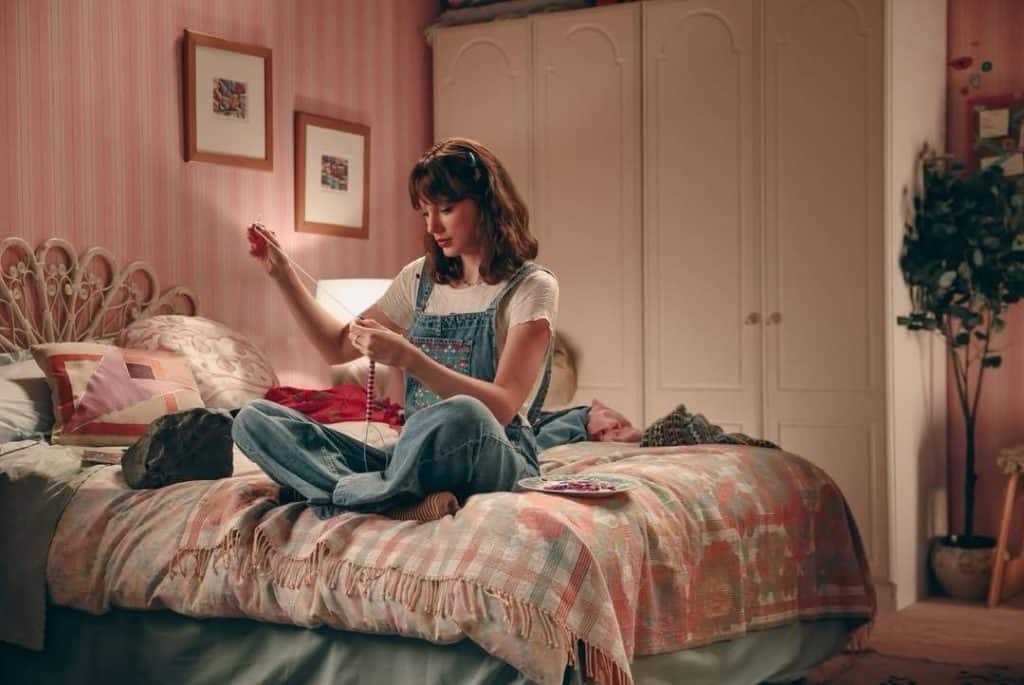
This isn’t about waiting around for happiness to magically appear or hoping the right situation drops into your lap. It’s about manufacturing your own joy, choosing it deliberately, even if it looks a little chaotic or unconventional from the outside. That idea runs through every scene, from shedding the wrong partners to fully embracing a life that makes sense only to the people living it.
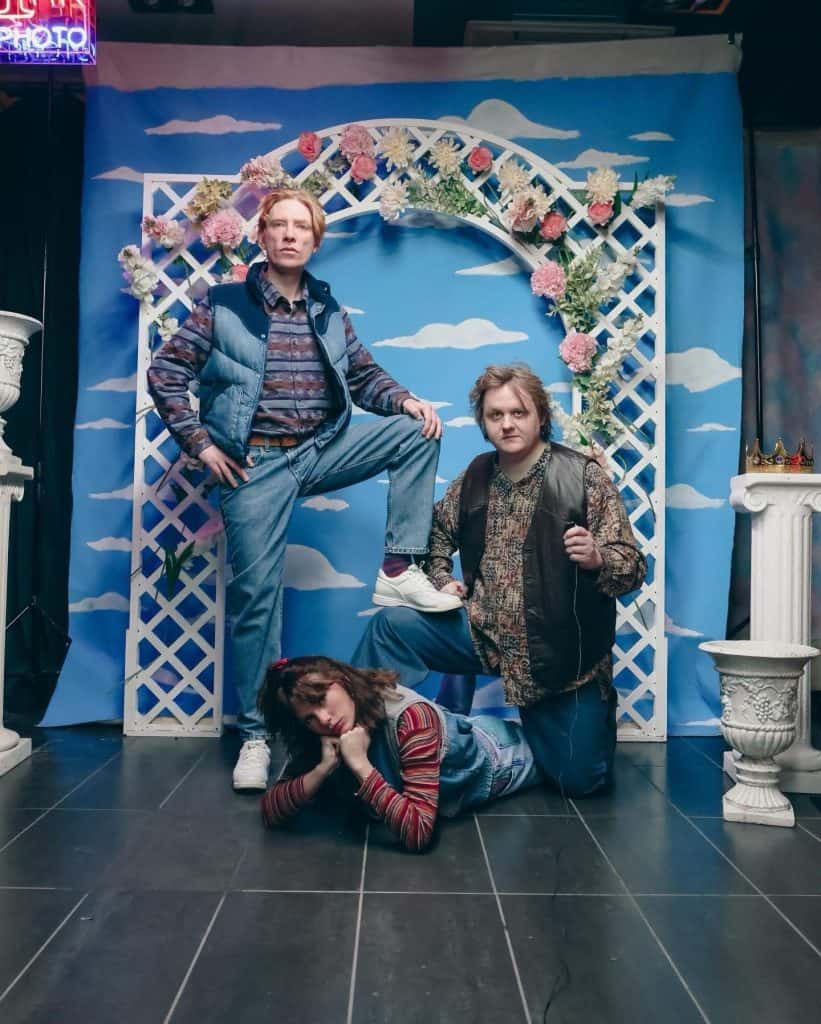
The playful chaos of the video matches that message beautifully. And honestly, we also love that Taylor Swift used this moment to reunite with the people she appeared alongside on The Graham Norton Show, turning a fun TV appearance into something bigger and more personal. It feels intentional, self-aware, and joyful, which is exactly what the song is saying in the first place.
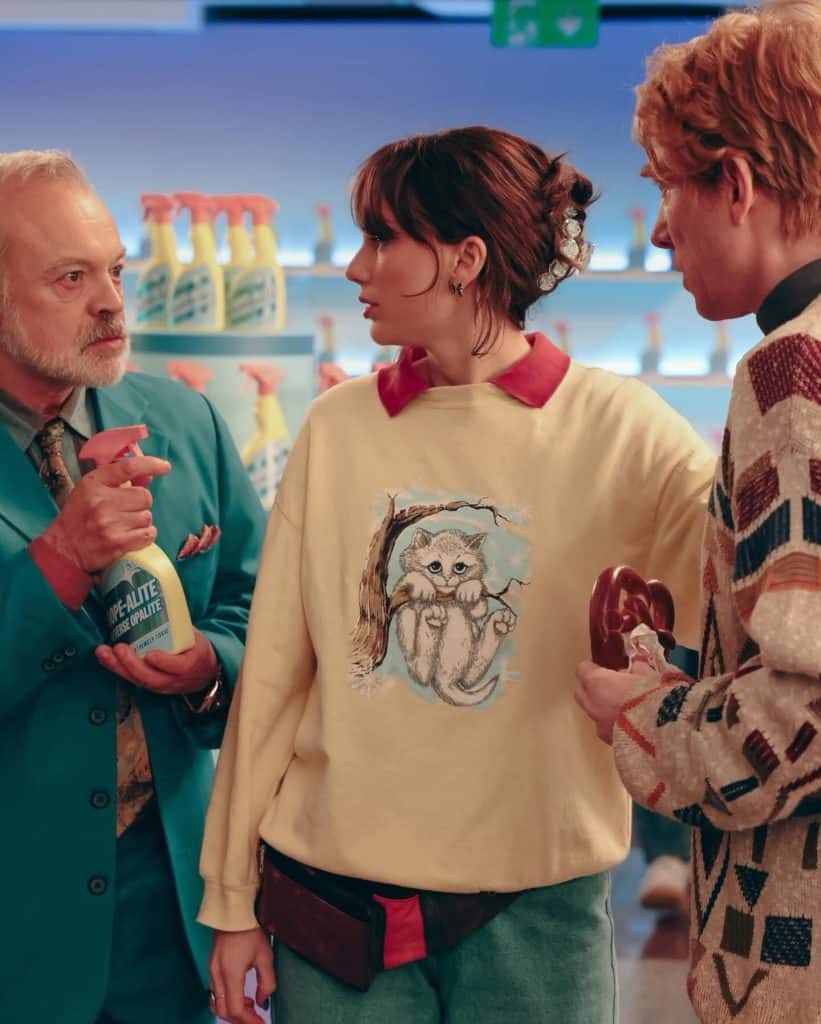
Opalite, the music video, works because it doesn’t chase approval. It’s sincere without being serious, joyful without trying to impress, and confident enough to let the story speak for itself.
The video understands that happiness doesn’t have to look polished, aspirational, or universally understood to be real. Sometimes it’s awkward, sometimes it’s nerdy, and sometimes it’s dancing in a shopping mall knowing full well no one else gets the joke and not caring. That’s the magic of it. Taylor Swift didn’t just tell a story here, she reminded people that choosing your own version of happiness is the whole point.
More Taylor Swift
If you’re still in your Taylor Swift analysis era, you’re in the right place. From music videos and pop culture moments to internet reactions and millennial-coded chaos, we’ve got more Taylor Swift content that looks past the surface and actually digs into why her work keeps people talking.
- All the Hidden References in Taylor Swift’s New Album The Life of a Showgirl
- What Chakra Is Opalite For? The Spiritual Meaning Behind Opalite
- Taylor Swift Wedding Quotes: The Best Lyrics for Your Big Day
- 25 Iconic Celebrities Who Prove a Red Lip Never Goes Out of Style
- 11 Showgirl Movies to Get You Ready for Taylor’s Life of a Showgirl
Share the love
If this made you rethink the Opalite video even a little, share this post with a friend who’s still calling it “random,” or drop it in the group chat where Taylor Swift discourse never seems to end. And if you’re feeling generous, sharing it on social or Pinterest helps more people find it which we’d obviously love.

2 thoughts on “Taylor Swift’s Opalite Video Has a Real Plot and People Are Weirdly Missing It”