
If you’ve ever browsed the beauty aisle or wellness TikTok, you’ve probably seen collagen everywhere – powders, gummies, and those fancy little tubs of peptides. The catch is that most of them come from animal products like bovine collagen or even marine collagen supplements. That means they’re not vegan (and definitely not appealing if you’d rather skip the animal bones and skin-on chicken vibes).
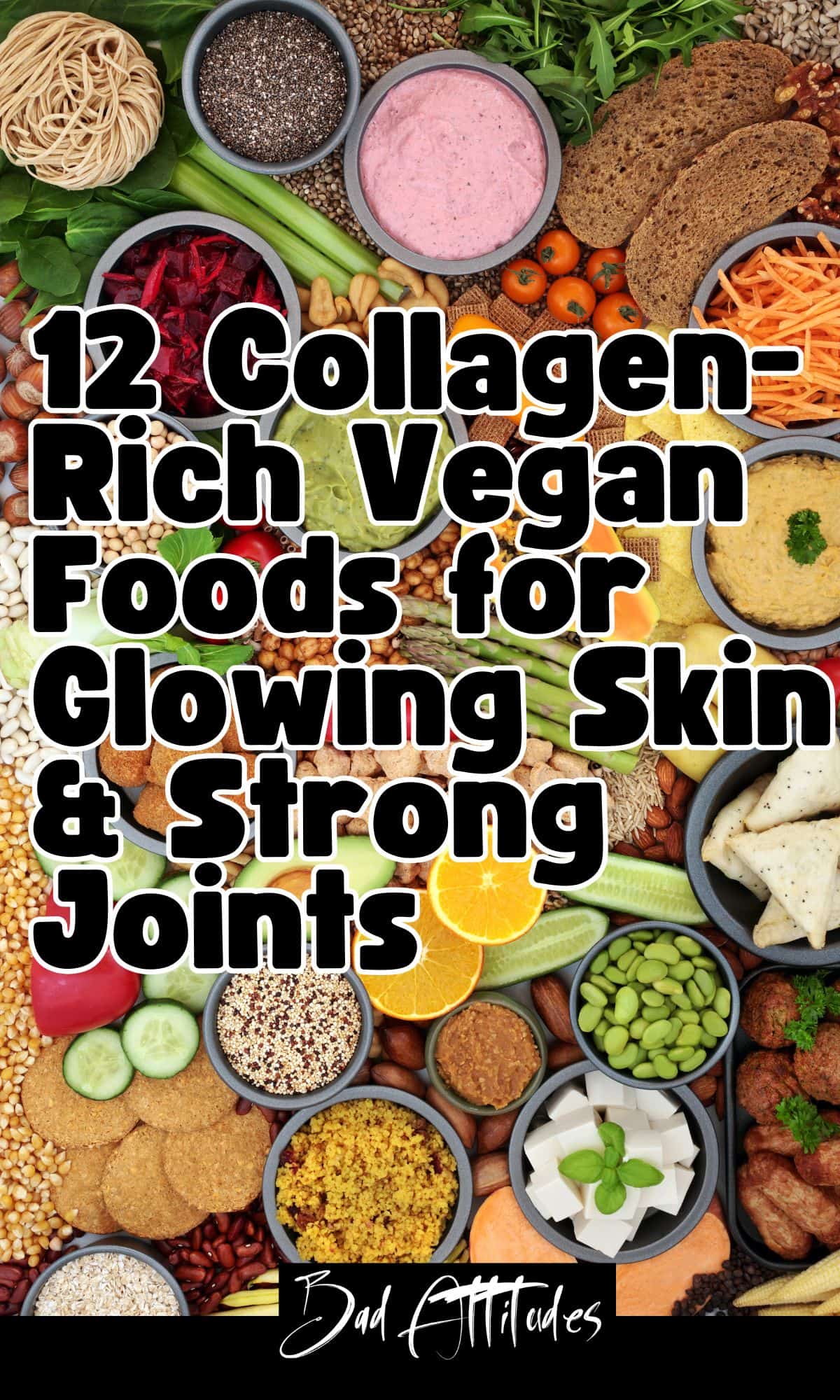
But while there’s no such thing as “pure collagen” found in plants, your own body is a collagen-making machine. You just need the right building blocks – the vitamins, essential amino acids, and antioxidant properties that support your body’s natural collagen production.
A well-planned plant-based diet can give you everything you need to boost collagen production, protect collagen fibers, and keep your skin elasticity, joint pain, and even hair loss in check.
Why Collagen Matters
Collagen is an essential component of your connective tissues, found in skin cells, tendons, cartilage, and even your bones. It plays a vital role in wound healing, joint health, and that coveted youthful skin glow. Unfortunately, as we age or face free radical damage from things like UV damage and pollution, our collagen levels naturally decline, leaving us with less collagen, wrinkles, sagging skin, and stiffer joints.
The benefits of collagen help to counteract all of this.

Collagen and the Vegan Dilemma
The main sources of collagen in supplements come from animal protein – think cows, pigs, fish. But if you’re on a vegan diet or vegetarian diet, that’s a no-go. Instead of relying on animal sources, you can focus on vegan collagen sources. By eating the right plant-based foods, you give your human body what it needs for collagen synthesis – things like vitamin C-rich foods, vitamin E, healthy fats, and plant-based proteins that all play a crucial role in supporting the production of collagen.
If the thought of spooning a heap of bovine collagen into your morning coffee makes you want to puke, we’ve got you with some vegan collagen options that will help ensure you have enough collagen while steering away from the cow products.
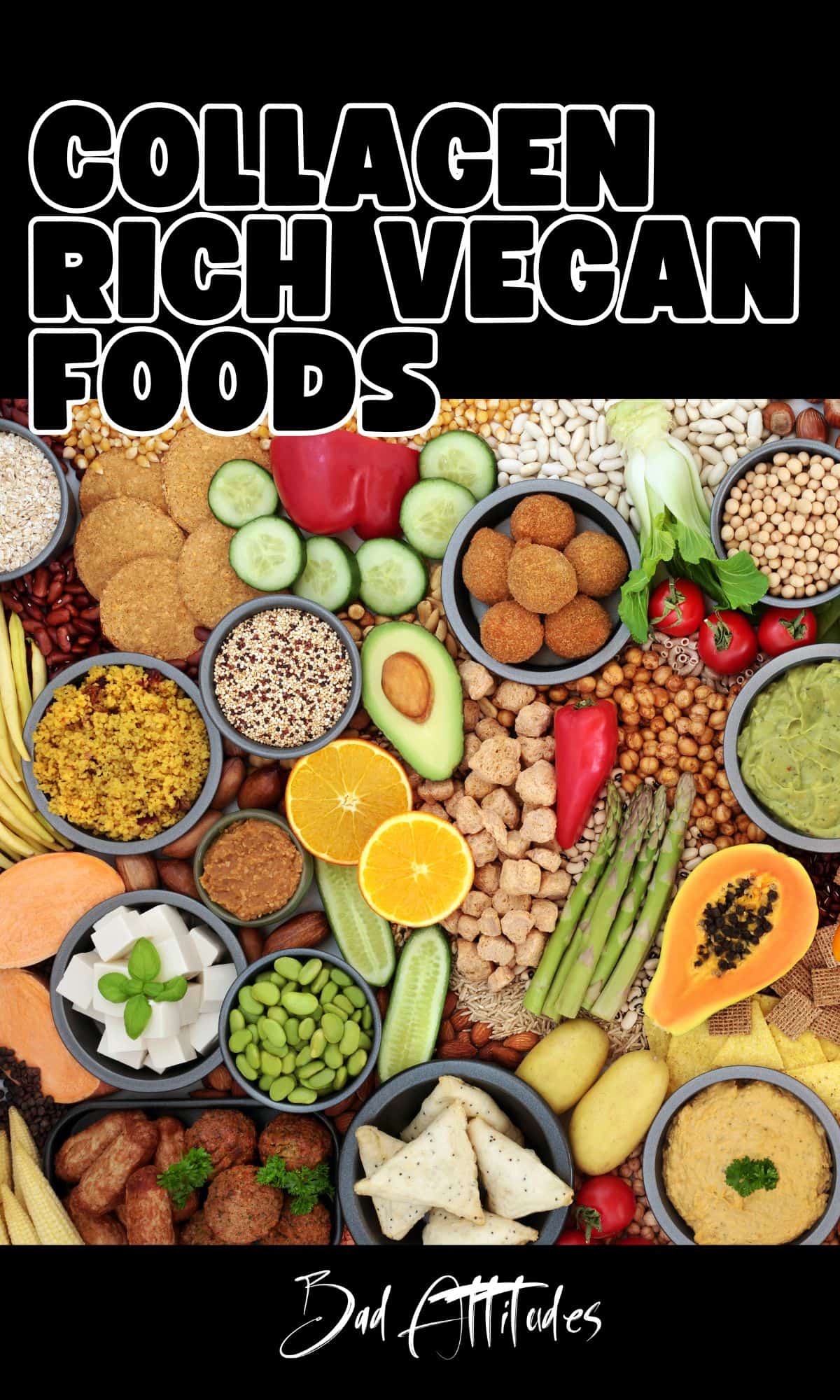
12 Best Vegan Collagen-Rich Foods to Add to Your Plate
If you’re already living the vegan lifestyle, the best part is that many of these collagen-rich foods are probably on your plate every day. A lot of the most effective vegan collagen sources are just simple, wholesome staples of a healthy plant-based diet – meaning you’re likely supporting your body’s natural collagen production without even trying.
So let’s take a look at some of the collagen foods you’ll want to include on your plate.
1. Citrus Fruits
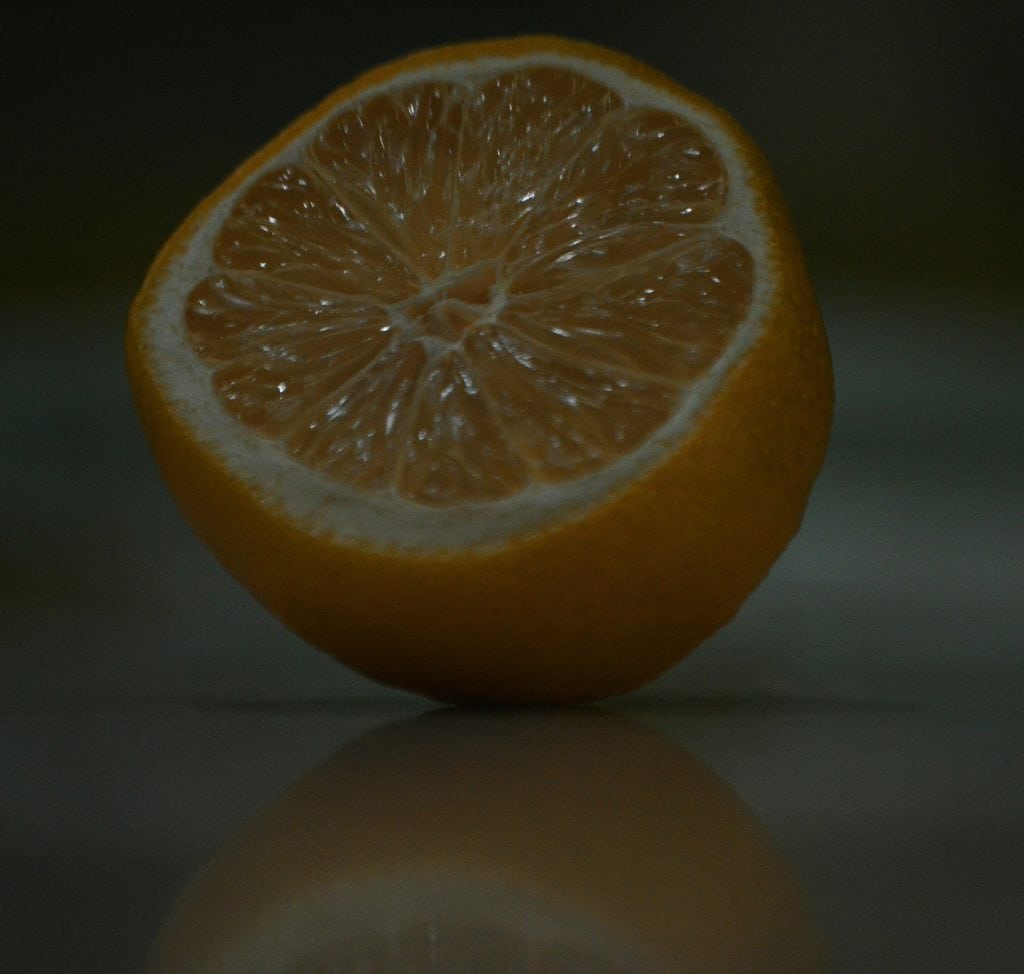
Oranges, lemons, limes, and grapefruits are loaded with vitamin C-rich foods that help your own collagen formation. Vitamin C is a superstar in preventing oxidative stress, reducing free radicals, and keeping collagen fibers strong for overall skin health.
You can easily add more citrus to your meals by squeezing fresh lemon juice over salads or starting your morning with a glass of water and a slice of orange. The natural tangy flavor brightens up everything from smoothies to stir-fries, so it’s an effortless upgrade to your collagen-friendly diet.
2. Bell Peppers
These colorful veggies – especially the red and yellow ones – pack a high vitamin C content and also provide antioxidants that protect against UV damage and free radical damage.
Roasting bell peppers brings out their sweetness and makes them perfect for pasta dishes, tacos, or hummus dips. Their vibrant colors aren’t just pretty to look at – they’re a visual cue that you’re loading up on antioxidants that your skin will love.
3. Dark Leafy Greens
Think spinach, kale, swiss chard, and other dark leafy green vegetables. Their green color comes from chlorophyll, which may help promote new collagen in skin cells and supports wound healing. They’re also rich in essential nutrients like iron and calcium.
Try blending spinach or kale into smoothies, tossing swiss chard into soups, or sautéing greens with a splash of olive oil for an easy side dish. These greens are also high in fiber, which supports digestion and overall wellness while your skin benefits from the extra micronutrients.
4. Cruciferous Vegetables
Broccoli, cauliflower, Brussels sprouts, and bok choy offer a combo of vitamin C, fiber, and antioxidant properties to fight oxidative damage and keep collagen levels in check.
Experiment with sheet-pan roasted broccoli or Brussels sprouts tossed in spices for a crunchy snack. These veggies are also known for their detox-supporting compounds, which can indirectly help protect your skin from environmental stressors.
5. Tropical Fruits
Papaya, pineapple, and mango are not just delicious – they’re also vitamin C-rich foods that support your body’s natural collagen production while giving your skin that youthful skin glow.
Blend papaya or mango into creamy smoothies or use pineapple chunks as a natural dessert after meals. Their juicy sweetness feels like a treat but secretly delivers collagen-supportive nutrients your skin craves.
6. Aloe Vera
Famous for soothing sunburns, aloe vera has also been linked to supporting collagen formation and protecting skin elasticity. Add it to smoothies or use as a gel in drinks.
Beyond skincare gels, you can buy edible aloe vera juice or mix its gel into drinks and smoothies. It’s a refreshing way to cool off on hot days and a great addition if you want to nourish your skin from the inside out.

7. Chia Seeds
These tiny seeds are full of healthy fats, especially omega-3 fatty acids, which help reduce oxidative stress in skin cellsand keep collagen fibers strong.
Make overnight chia pudding with almond milk or sprinkle chia seeds into baked goods for an easy boost. Their gel-like texture also helps keep you hydrated, which is essential for plump and healthy-looking skin.
8. Pumpkin Seeds
A great source of zinc and essential amino acids, pumpkin seeds support collagen synthesis and are a great way to snack your way to younger-looking skin.
Toast them with a pinch of sea salt or cinnamon for a satisfying snack, or toss them into salads for crunch. They’re also a good source of magnesium, which helps reduce stress – a factor that often shows up in our skin’s appearance.
9. Sunflower Seeds
These nutty little seeds pack vitamin E, which plays a crucial role in protecting skin cells from free radical damage and keeping skin elasticity intact.
You can blend sunflower seeds into creamy dips as a nut-free alternative or add them to homemade granola. Their subtle nutty flavor complements both savory and sweet dishes while delivering a solid vitamin E punch.
10. Soy Products
Tofu, tempeh, and edamame provide complete proteins and plant-based proteins, giving your own body the building blocks it needs to make its own collagen.
Try swapping out meat in your favorite recipes for tofu or tempeh for a protein-rich option. Soy also contains isoflavones that may help with maintaining skin moisture, a bonus for anyone struggling with dryness.
11. Black Beans & Kidney Beans
These plant-based sources of protein are rich in lysine, one of the essential amino acids for collagen formation, and work great in soups, salads, or chili.
Whip up hearty bean stews or use them as a base for homemade veggie burgers. Besides supporting collagen, beans help stabilize blood sugar, which is another win for clearer, healthier-looking skin.
12. Whole Grains & Green Tea
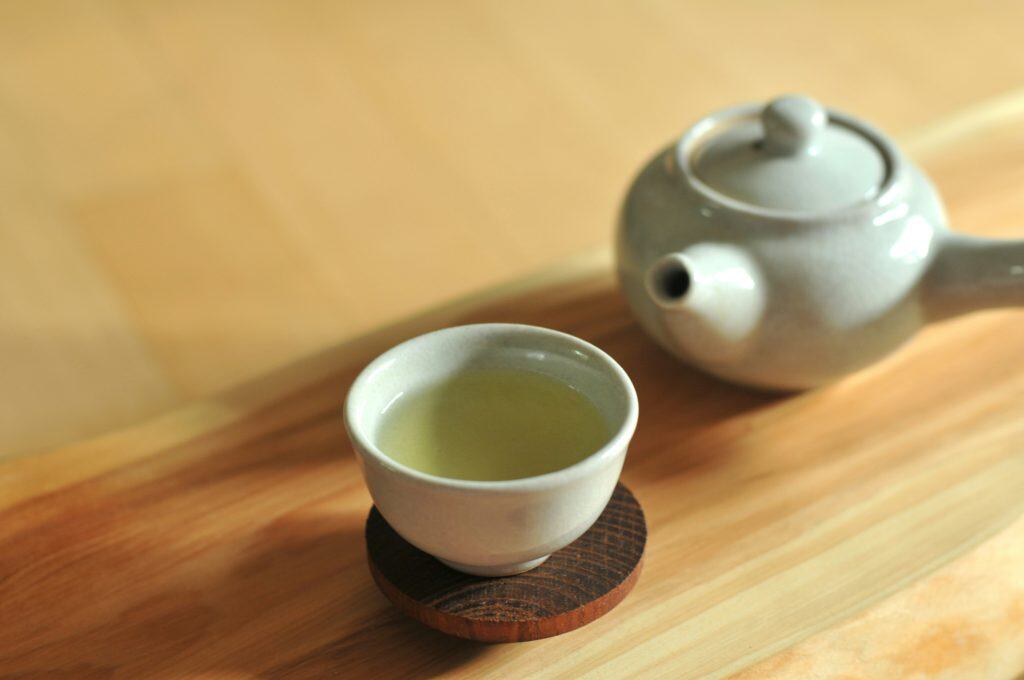
Whole grains supply silica, which supports collagen synthesis, while green tea has strong antioxidant properties to defend against oxidative damage and keep skin elasticity firm.
Pair whole-grain bread with avocado for a satisfying breakfast or sip on iced green tea instead of sugary drinks. Together, these foods provide slow-release energy for your day while quietly supporting your skin’s resilience.
Vegan Collagen Supplements – Do They Work?
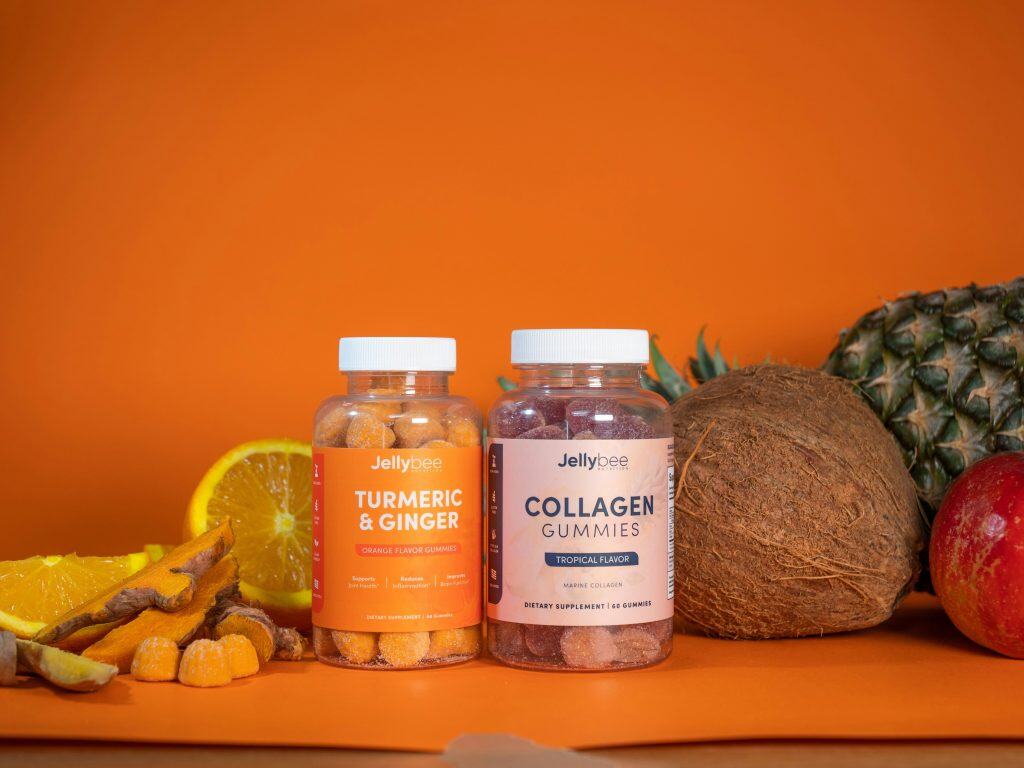
If you want an extra boost, you can look into vegan collagen powder or vegan collagen supplements made from plant-based sources like algae and yeast. While they don’t contain collagen itself (since that comes from animal sources), they’re packed with nutrients that stimulate your body’s natural collagen production.
You don’t need bone broth, animal collagen, or marine collagen supplements to keep your skin plump and your joints happy. A balanced plant-based diet filled with these collagen-rich foods can help your own body create the new collagen it needs for good health, healthy lifestyle, and younger-looking skin.
Ready to build stronger connective tissues and protect your glow naturally? Start adding these vegan foods to your meals today – your future self will thank you.

Share the Love
If you found this guide to collagen-rich vegan foods helpful, share it with your friends or post it to your favorite wellness group.
Every share helps more people discover that they can support skin elasticity, strong connective tissues, and overall health without relying on animal collagen.
1 thought on “No Cows, No Problem: 12 Collagen-Rich Vegan Foods for Glowing Skin & Strong Joints”