
There’s this fan theory that says every single Pixar movie exists in the same universe.
Not just Easter eggs and cameos, which Pixar definitely loves dropping everywhere. We’re talking about a full timeline that connects Toy Story to Wall-E to Monsters Inc to Finding Nemo in one sprawling story about consciousness, environmental collapse, and why toys can suddenly think for themselves. It’s called the Pixar Theory, and once someone explains it to you, you can’t stop seeing the connections.
The theory blew up in 2013 when a blogger named Jon Negroni wrote a massive post laying out how all these movies fit together chronologically. Fans loved it. It spread everywhere. People started arguing about whether it was genius or just really creative dot-connecting.
Here’s what the theory actually says, where it gets surprisingly convincing, and where the whole thing starts falling apart.
The Core Idea Behind the Pixar Theory
The Pixar Theory isn’t just “all these movies are connected because we see the Pizza Planet truck.” It’s way bigger than that.
The theory argues that every Pixar film takes place in the same timeline, spanning thousands of years. It starts with Brave in the medieval era, where magic first gives life and consciousness to non-living things.
That magic is the spark that eventually leads to toys becoming sentient in Toy Story, animals developing human-level intelligence in Ratatouille and Finding Nemo, and machines gaining consciousness in Cars and Wall-E. The timeline ends with Monsters Inc, which is set in a future where Earth has been destroyed and monsters are actually mutated humans trying to harvest energy from the past by traveling through doors.
It’s wild, but it’s also weirdly detailed. Jon Negroni didn’t just throw movies together randomly. He built a chronological order based on clues, themes, and background details most people wouldn’t catch on a first watch.
The big idea is this: consciousness spreads throughout the Pixar universe, moving from humans to animals to objects to machines, and eventually humanity itself evolves or mutates beyond recognition. Every movie is a chapter in that story.
When you first hear it, it sounds like the kind of thing someone thought up after rewatching every Pixar movie in one weekend. But then you start noticing the details, and it gets harder to dismiss.
The Pixar Theory Timeline That Ties It All Together
Here’s where the theory gets specific, and honestly, a little impressive.
According to the Pixar Theory, the chronological order goes like this:
- Brave (around 1000 AD): Magic appears in the form of a witch who can bring inanimate objects to life. This is the origin of consciousness spreading to non-human things. The witch’s magic is the key to everything that follows.
- The Incredibles (1960s): Syndrome’s zero-point energy technology becomes the foundation for advanced AI. Humans are at their peak, but technology is starting to rival them.
- Toy Story series (1990s-2010s): Objects now have full consciousness thanks to the energy humans give them through love and attention. Toys are alive, but they hide it because they depend on humans.
- Finding Nemo and Ratatouille (2000s): Animals are getting smarter, gaining near-human intelligence. Pollution and environmental damage are accelerating, which becomes important later.
- Up (2009): Charles Muntz’s collar technology allows dogs to speak. Animals are now closing the intelligence gap with humans even faster.
- Cars (2100s-ish): Humans are gone. Machines have taken over, living in a world designed for cars instead of people. The theory suggests humans were wiped out or evolved, leaving behind sentient machines.
- Wall-E (2800s): Earth is a wasteland. Humans left on a spaceship and devolved into helpless blobs. Meanwhile, Wall-E and other machines kept working, developing personalities and emotions. The Buy-n-Large corporation, which appears in Toy Story and other films, is the company that destroyed Earth.
- A Bug’s Life (post-Wall-E): After humans return to Earth in Wall-E, the planet slowly recovers. Insects inherit the Earth and build civilizations. This is why the bugs in A Bug’s Life act so human.
- Monsters Inc (4500s): Humanity has evolved (or mutated) into monsters. They live in a city powered by screams because Earth’s resources are gone. The doors in Monsters Inc are actually time machines that let monsters travel back to when human children existed, harvesting their emotional energy to power their world.
Source: You can read the original Pixar theory here
The theory doesn’t just list the movies. It explains why things happen the way they do, using background clues like the Buy-n-Large logo appearing in multiple films, the zero-point energy technology, and even Boo from Monsters Inc possibly being the witch from Brave after traveling through time trying to find Sully.
Yeah, it gets that deep.
The Pixar Theory Evidence That Makes It Sound Legit
Okay, so why did this theory take off and convince so many people?
Because Pixar actually does leave a ton of connections between their movies, and some of them are hard to ignore.
Buy-n-Large shows up everywhere.
The mega-corporation from Wall-E appears as logos, brands, and references in Toy Story 3, Finding Nemo, and other films. It’s not just an Easter egg. In the theory, Buy-n-Large is the company that eventually causes Earth’s environmental collapse.
The Pizza Planet truck is in almost every movie.
This one’s confirmed by Pixar as an Easter egg, but the theory uses it as proof that all these worlds are connected. If the same truck exists across decades and storylines, maybe they’re all in the same timeline.
Animals and objects keep getting smarter.
Toys are sentient in Toy Story. Rats can cook in Ratatouille. Fish organize rescue missions in Finding Nemo. Cars run entire societies. There’s a clear progression of non-human intelligence evolving throughout the films.
Energy and magic are recurring themes.
The witch’s magic in Brave, Syndrome’s tech in The Incredibles, the emotional energy in Monsters Inc, it all revolves around power sources that bring things to life or sustain civilizations. The theory ties these together as the same force expressed differently across time.
Boo’s connection to the witch in Brave is weirdly compelling.
The witch in Brave has a carving of Sully in her workshop. The theory suggests Boo became obsessed with finding Sully after the events of Monsters Inc, learned to time travel using door technology, and became the witch. It sounds insane, but the wood carving is RIGHT THERE.
These aren’t accidents. Pixar loves planting references and connections, which is exactly what makes the theory feel somewhat plausible. The question is whether these connections are intentional storytelling or just fun nods for eagle-eyed fans.
Where the Pixar Theory Completely Falls Apart
Here’s the thing, though. As fun as the Pixar Theory is, it’s got some pretty massive holes.
The biggest problem? Pixar has outright said it’s not true. Directors and producers have confirmed in interviews that the Easter eggs are just Easter eggs. They’re not building a shared universe. They’re having fun. Pete Docter, who directed Monsters Inc, Up, Inside Out, and Soul, has said the connections are just inside jokes for the team.
Then there’s the logic issues. The theory requires a LOT of assumptions that don’t actually hold up when you think about them.
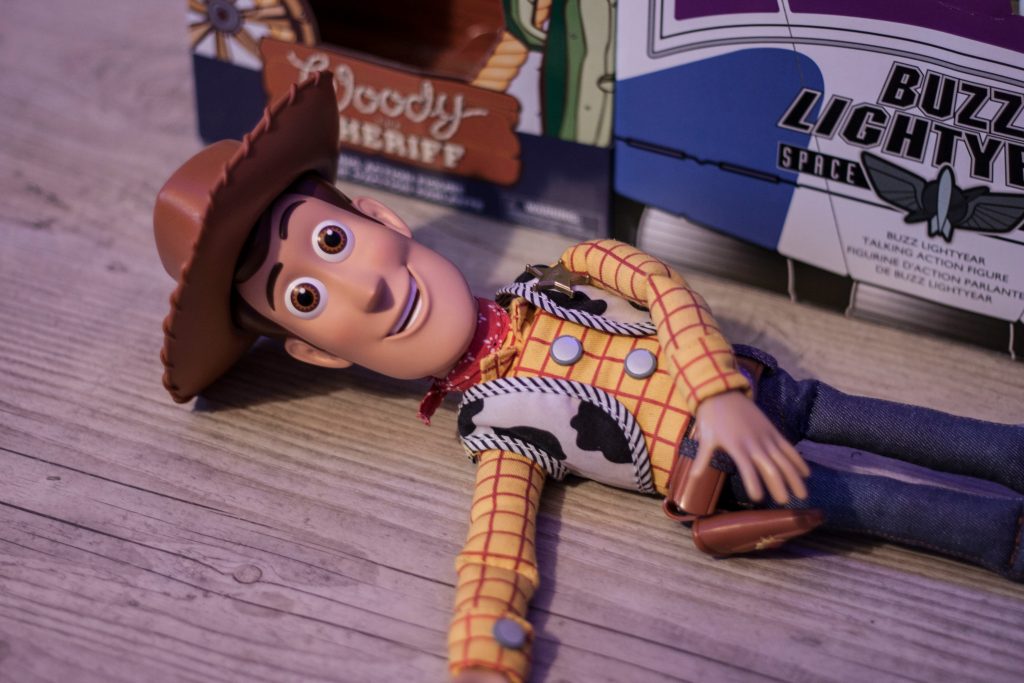
Cars doesn’t make sense in any timeline.
If humans built the cars, why is everything car-sized? Why are there car buildings, car doors, car stores? The world of Cars is designed FOR cars, not adapted by them. That suggests cars were always the dominant species, which breaks the whole evolution-of-consciousness idea.
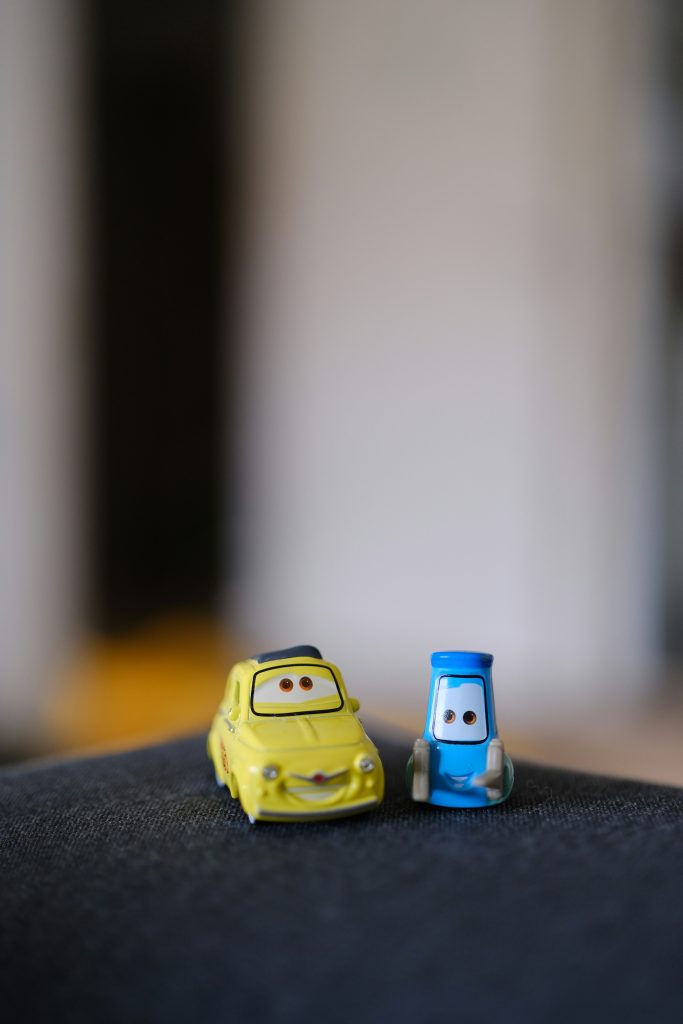
The magic explanation is too vague.
Saying “magic from Brave started everything” is just filling in gaps with something that can’t be disproven. It’s not evidence, it’s just a convenient explanation for why toys are alive.
The timeline jumps are extreme.
Going from Finding Nemo to Cars to Wall-E requires thousands of years and a complete extinction of humanity with almost zero evidence shown on screen. We’re just supposed to believe it happened between movies.
Monsters Inc as mutated future humans is a huge stretch.
The doors being time machines is never suggested in the movie. They’re just doors to kids’ rooms. Turning that into time travel requires adding a completely new layer the film never hints at.
Not every movie fits cleanly.
Inside Out, Soul, Turning Red, Luca, Onward, they don’t fit the timeline without some serious mental gymnastics. The more Pixar releases, the harder it gets to make the theory work.
The theory sounds great when someone walks you through it with confidence, but when you actually stop and ask “wait, does that make sense?” the answer is usually no. It’s pattern recognition on overdrive, connecting dots that were never meant to form a picture.
What Pixar Actually Says About Shared Universes
So if the Pixar Theory isn’t real, what’s going on with all those connections?
Pixar calls them Easter eggs, and they’re intentional, but they’re not storytelling. They’re inside jokes, references, and fun callbacks for fans who pay attention. The studio has an Easter egg artist whose literal job is to hide references to other movies in the background of every film.
The Pizza Planet truck, the Luxo ball, A113 (the classroom number at CalArts where many Pixar animators studied), these show up everywhere because it’s a tradition. It’s the studio’s way of saying “we made this, we’re all connected as artists,” not “these stories are literally connected.”
In interviews, Pixar creators have been pretty clear. They’re not trying to build a Marvel-style cinematic universe. Each movie is its own story. If two movies share a visual reference, it’s because an animator thought it would be fun, not because there’s a master timeline.
That said, Pixar LOVES that fans came up with the theory. It shows how much people care about their movies. They’re not going to shut it down aggressively because fan theories are part of what keeps people rewatching and talking about the films. But they’re also not confirming it, because it’s not real.
The theory is fan-made, fan-driven, and ultimately fan fiction. Really GOOD fan fiction, but still not canon.
Why Does the Pixar Theory Still Matter Even If It’s Wrong?
Even though the Pixar Theory doesn’t hold up under scrutiny, it did something pretty incredible.
It changed how people watch Pixar movies. After Jon Negroni’s post went viral, millions of people started looking for connections, rewatching films with fresh eyes, and debating tiny details they’d never noticed before. That’s the magic of a good fan theory. It doesn’t have to be true to make the experience richer.
The theory also shows how much people want stories to connect. We love the idea that everything fits together, that there’s a bigger picture we can figure out if we’re smart enough.
It’s the same reason people obsess over Marvel post-credit scenes or spend hours on Reddit mapping out Westeros timelines. Theories turn passive watching into active participation.
And let’s be honest, the Pixar Theory is just plain fun. Even if you don’t believe it, walking through the timeline and hearing someone explain how Boo becomes the witch or why Cars exists in a post-human world is entertaining. It’s storytelling on top of storytelling.
The theory also gave Jon Negroni a career. He turned that blog post into a book, expanded the theory, and became the go-to voice on Pixar lore. That’s not nothing. A fan theory launched a whole creative path.
So no, the Pixar Theory isn’t real. But it’s still one of the best examples of what happens when passionate fans dig into the things they love and build something new from the pieces.
The Pixar Theory is a masterclass in pattern recognition and creative storytelling, even if it’s not what Pixar intended. It’s proof that sometimes the conversations around a piece of art become just as compelling as the art itself.
At the end of the day, the theory doesn’t need to be true to be valuable. It made millions of people look closer, think harder, and fall even deeper in love with movies they already adored.
And that’s what great storytelling is supposed to do, whether it’s coming from Pixar or from a fan with too much time and an incredible eye for detail.
More Disney and Pixar Fun
If you’re into Disney and Pixar, don’t miss our quizzes and fun posts where you can test your knowledge, spot hidden details, and see how well you really know your favorite movies.
- Disney Smash Or Pass Princes
- Which Disney Villainess Are You Quiz?
- Which Modern Disney Princess Are You?
- Which Classic Disney Princess Are You Quiz?
- Disney Princesses as Hijabis
More Movies and Shows to Watch
If you loved diving into hidden connections, theories, and layered storytelling, there are plenty of other movies packed with subtle details and deeper meaning. From clever Easter eggs to full-blown fan theories, these films reward a closer look and a second watch.
- The 15 Most Confusing Film Endings, Explained
- 22 Best AI Movies About Artificial Intelligence
- 10 Best Breakup Movies on Netflix
- What to Watch Next Now That Stranger Things is Ending
- 13 Must-Watch Shows for Fans of Wednesday on Netflix
More Easter Eggs You Might Have Missed
Easter eggs are everywhere once you start looking for them. From background details to hidden references, these small touches add extra depth and make rewatching even more fun. Keep an eye out, because there’s always more than meets the eye.
- Panem Districts Explained – The Dark Meaning Behind Each Hunger Games District
- 11 Hidden Korean Folklore Easter Eggs in KPop Demon Hunters You Totally Missed
- All the Hidden References in Taylor Swift’s New Album The Life of a Showgirl
- Taylor Swift’s Opalite Video Has a Real Plot and People Are Weirdly Missing It
If you enjoyed this post, don’t forget to share it with other movie fans who love spotting hidden details.
2 thoughts on “What Is the Pixar Theory and Does It Actually Make Sense”