Every March, like clockwork, people start spiraling.
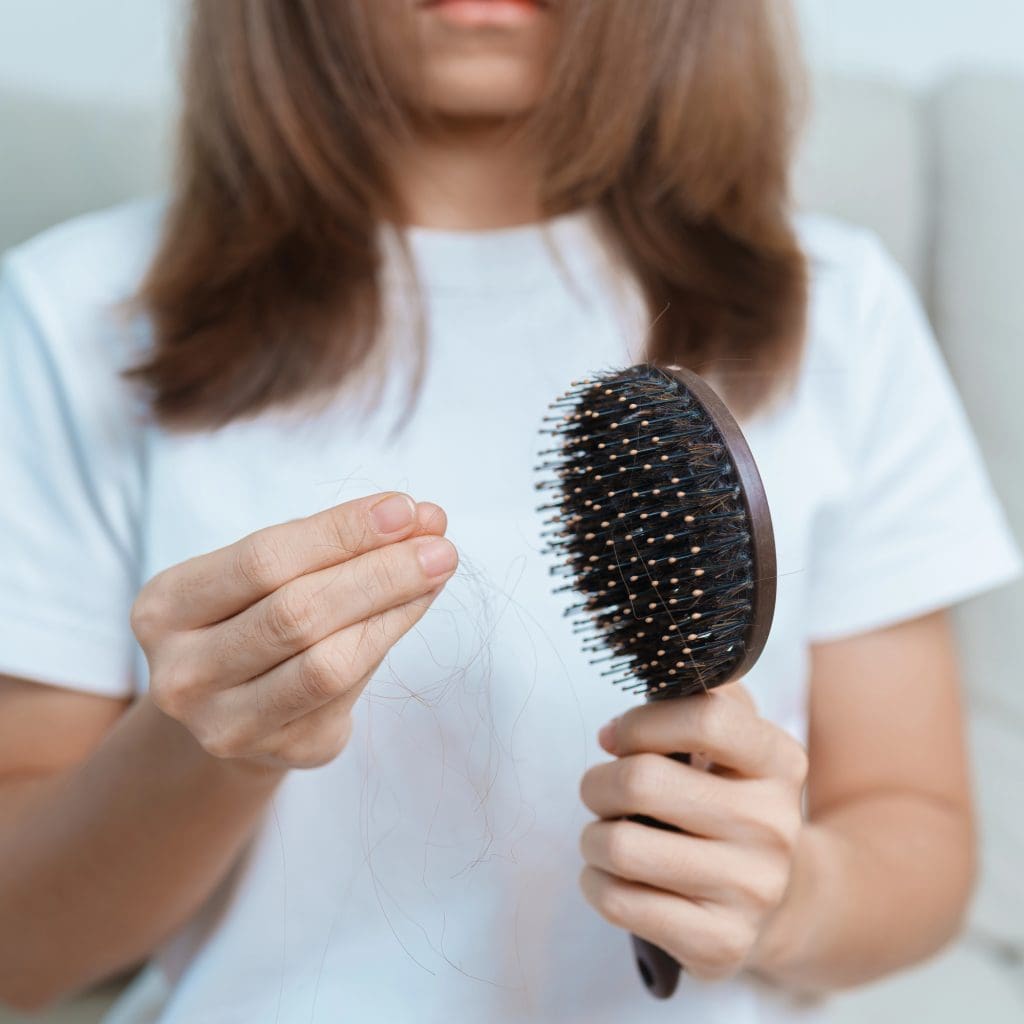
There’s more hair in the shower. More in the brush. More dramatically clinging to your black leggings like it’s trying to make a statement. Suddenly you’re Googling hair loss at 11:47 pm and diagnosing yourself with three different conditions.
Take a breath.
Spring hair shedding is real. But in most cases, it’s not the disaster your group chat thinks it is.

Search demand for hair shedding and hair loss spikes every year in early spring. And no, that’s not collective hysteria. There’s a biological reason this happens, and it all comes down to the hair growth cycle.
Why You’re Losing More Hair in March and April
Hair grows in phases. Each strand moves through a growth stage, a resting stage, and then a shedding stage. That shedding stage, known as telogen, is a completely normal part of the hair growth cycle. At any given time, around 10 percent of your hair follicles are in that phase.
Hair loss occurs naturally every single day. Losing 50 to 100 hairs daily is considered normal. In spring, that number can increase slightly because more follicles shift into shedding at the same time.
During colder months, research suggests we retain more hair. When spring arrives, the body essentially resets. So if it feels like you’re losing more hair, you probably are – but not in a dangerous way.
For most people, this is not excessive hair shedding. It’s a temporary seasonal shift. The difference is perception. Brighter light, lighter clothing, and more frequent washing make shedding far more noticeable.
But here’s the important distinction. Excessive hair, visible bald spots, sudden thinning hair, or a rapidly receding hairline are not typical seasonal shedding. That’s when hair loss deserves closer attention.
When Hair Shedding Is More Than Seasonal
There’s a difference between temporary shedding and pattern hair loss.
Female pattern hair loss usually shows up as overall hair thinning or a widening part. Male pattern hair loss often appears as a receding hairline or thinning at the crown. Pattern hair loss develops gradually over time, not suddenly in one dramatic week in April.
There are also medical conditions that cause hair loss. Alopecia areata can lead to round bald spots. Frontal fibrosing alopecia and central centrifugal cicatricial alopecia – sometimes referred to as frontal fibrosing or centrifugal cicatricial alopecia – are inflammatory conditions that require medical treatment.
If hair loss occur alongside scalp irritation, redness, or patchy thinning, it’s worth speaking to a doctor or visiting a medical clinic. These conditions are about scalp health, not just cosmetic care.
The key point? Seasonal hair shedding is common. Ongoing thinning that progresses over time is something else entirely.
Why Winter Damage Shows Up in Your Hair Now
Now let’s talk about the betrayal you’re blaming on spring.
Winter is brutal on hair. Cold air outside. Dry indoor heating. Constant friction from hats and scarves. All of it weakens the hair shaft. Bleached or chemically processed hair is even more vulnerable because it’s more porous.
By the time spring rolls around, breakage is finally visible. What feels like sudden hair thinning is often cumulative damage.
Breakage can mimic female pattern hair thinning or male pattern hair loss, which is why people panic. But breakage means the hair snapped. Pattern hair loss means the follicle itself is miniaturizing. Very different situations. Very different treatments.
And let’s not ignore the role of light. Increased daylight makes uneven tone, dryness, and thinning more obvious. Your hair didn’t collapse overnight. You’re just finally seeing it clearly.
The Spring Chop Is a Psychological Reset
Every year, salons see a surge in people ready to cut it off.
The “spring chop” isn’t just aesthetic. Trimming split ends instantly makes hair look thicker. Removing over-processed length reduces that stringy, see-through look. Adding layers brings back movement and shape.
There’s also a mental health angle. Spring is associated with renewal. After months of low-maintenance survival mode, people want to feel polished again.
And sometimes, the fastest way to feel in control is to change your hair.
When to Actually Do Something About Hair Shedding
If shedding feels heavier than usual but there are no bald spots or obvious thinning patches, you’re likely dealing with seasonal shedding.
If you continue to lose hair beyond the spring window, notice progressive thinning, or see changes in your scalp, that’s when it’s time for professional support.
A stylist can assess whether you’re dealing with damage-related breakage or true pattern hair loss. If there are concerns about medical conditions, a doctor can evaluate underlying health causes hair loss may be linked to, including hormonal shifts or autoimmune conditions.
Hair loss treatment depends entirely on the cause. Throwing random products at the problem without understanding what’s happening rarely works.
Real hair care is about long-term scalp health, supporting hair growth, and understanding the difference between temporary shedding and structural loss.
So… Should You Panic?
Probably not.
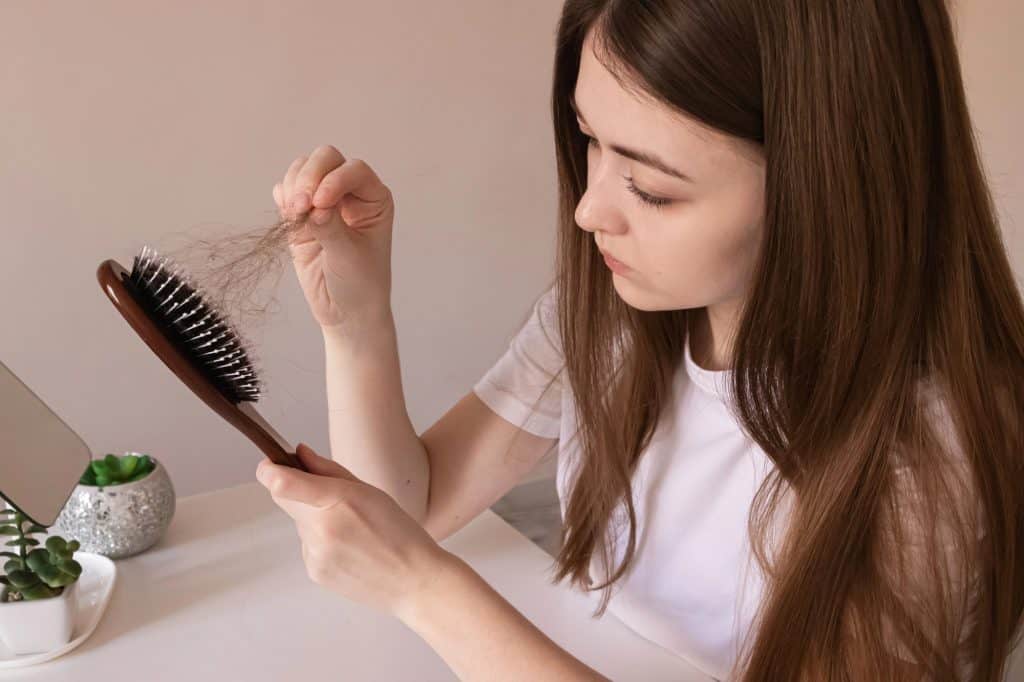
Spring shedding is normal. It’s part of the natural growth cycle. Most people will experience a temporary increase in shedding as the seasons change.
But if you notice excessive hair shedding, persistent thinning, or changes that don’t stabilize over time, don’t ignore it.
Pay attention. Get proper care. Seek treatment if needed.
Because yes, spring hair shedding is real.
But so is overreacting.
And knowing the difference is everything.