
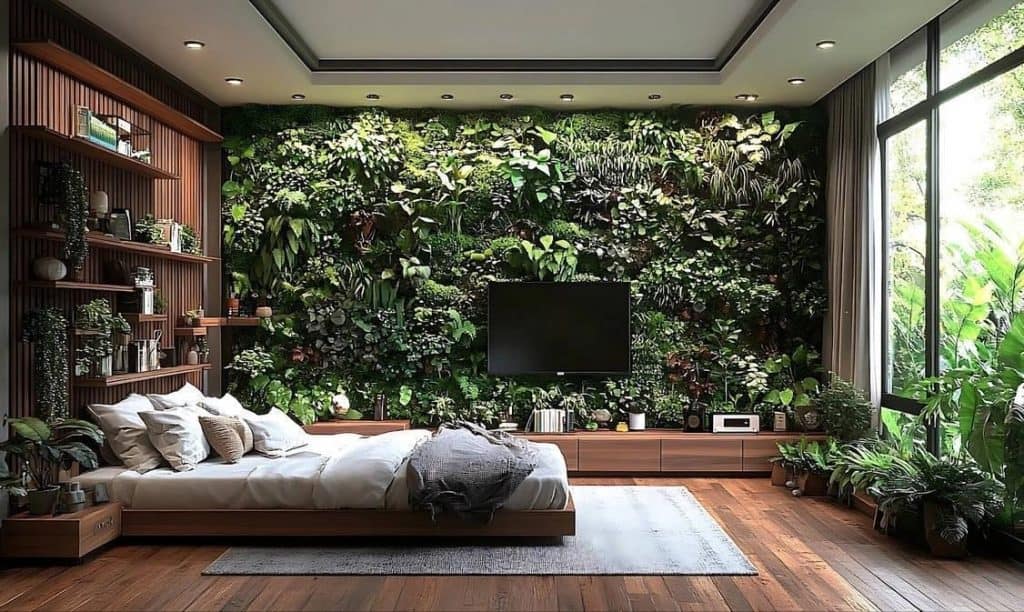
Your bedroom should feel like a natural sanctuary, not a sterile box. What if we told you that bringing nature indoors could reduce your stress levels, spark creativity, and help you sleep better?
Here’s something that might surprise you: our urban lifestyles have disconnected us from nature more than ever before. Buildings account for nearly 40% of energy use and carbon emissions, but there’s a simple solution that starts right in your bedroom. Biophilic design creates living spaces that work alongside nature rather than against it.
What exactly is biophilic design?
Think of biophilic design as your home’s way of bringing the outdoors in. Rather than just adding a houseplant or two, it’s about creating environments that support healing and wellbeing from the moment you walk through the door. Studies prove that these natural elements don’t just make you feel better—they actually improve your physical health too.
Your bedroom presents the perfect opportunity to try this approach. You spend roughly eight hours there every night, so why not make them count? Nature-inspired bedrooms can boost your creativity, sharpen your thinking, and most importantly, help you get the quality sleep your body craves.
Ready to create your own nature sanctuary?
This guide will walk you through five simple steps to transform your bedroom into a space that truly supports your wellbeing. You’ll discover how to bring natural elements indoors, engage all your senses, and create a bedroom that doesn’t just look beautiful—it makes you feel amazing too.
Whether you’re working with a tiny space or a grand master suite, these techniques will help you create your perfect natural retreat.
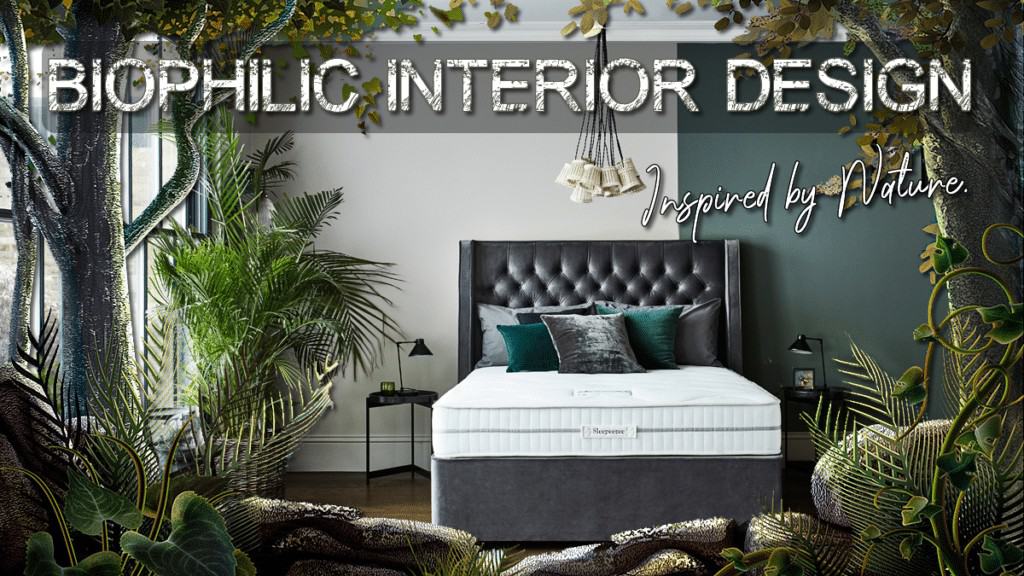
Image credit: Bedstar
Step 1: Define Your Biophilic Vision
Creating a nature-inspired bedroom goes beyond scattering a few plants around your space. You need a clear plan and specific goals to make this Weekend Project truly worthwhile.
Why does biophilic design work so well?
The word “biophilia” literally means “love of life” – it describes our natural attraction to living things and nature. Psychologist Eric Fromm first used this term in 1964, and biologist Edward Wilson later showed us why forest walks and ocean sounds make us feel so good.
Your bedroom can tap into this natural connection through three simple approaches:
- Nature in the Space – Living plants, water features, natural light, and fresh air
- Natural Analogues – Materials, colours, and patterns inspired by the outdoors
- Nature of the Space – Room layouts that feel like natural environments
This isn’t just a passing trend. The concept has roots stretching back to the Hanging Gardens of Babylon, and research proves these elements reduce stress, boost creativity, and help you think more clearly.
What do you want your bedroom to achieve?
Before you start shopping for plants or new bedding, think about your specific goals. Are you hoping for better sleep? Want to reduce stress after long work days? Looking to create a morning routine that energises you?
Different biophilic elements deliver different benefits:
Natural light helps regulate your body clock far better than any alarm. Clean air from plants improves breathing whilst you sleep. Natural materials like wool and linen feel better against your skin than synthetic alternatives.
William Morris, who pioneered nature-inspired interiors, believed bedrooms should be “hearts of calm and peace” in our busy lives. Your goals might focus on creating this peaceful retreat whilst still looking stylish.
Take stock of what you’re working with
Walk through your current bedroom and honestly assess what’s already working. Which areas feel most disconnected from nature? What natural elements can you build upon?
Consider these key questions:
Where does natural light enter your room? Can you make the most of existing windows?
How’s the air quality? Could you improve ventilation by opening windows or adding plants?
What natural materials already exist? Wood furniture, cotton bedding, or houseplants you can expand on?
Which structural elements can’t be changed? Fixed windows, built-in wardrobes, or rental restrictions?
Don’t worry if your space has limitations – even small flats can become nature-inspired sanctuaries. The key is working with what you have rather than against it.
Takeaway Tip: Create a simple list matching your goals against your space’s possibilities. This prevents you from choosing trendy features that won’t actually improve your daily life.
Remember, successful biophilic design engages all your senses, not just your eyes. The next steps will show you exactly how to create this complete sensory experience.
Step 2: Work with Light and Air
Natural light and fresh air aren’t just nice-to-haves in your bedroom—they’re the foundation of any nature-inspired space. These two elements directly influence how well you sleep, your mood when you wake up, and your overall health in ways that artificial alternatives simply can’t match.
Use sheer curtains and mirrors to enhance daylight
Your body relies on natural light to regulate its internal clock, giving you essential cues for when to feel alert and when to wind down. Want to maximise the daylight in your bedroom? Position mirrors directly opposite your windows to bounce light deeper into the space. This clever trick not only makes your room feel larger but effectively doubles the natural light you’re working with.
Harsh direct sunlight streaming through your windows? Sheer curtains offer the perfect solution. They gently diffuse bright light without blocking it completely, creating that soft, calming glow that makes any bedroom feel serene. Keep your window sills clutter-free too—every ornament or book you remove allows more precious daylight to flood your space.
For those darker corners that never quite catch the light, choose pale, airy paint colours that reflect rather than absorb what little daylight reaches them. This simple change creates a sense of connection to the outside world without any major renovations.
Open windows daily for fresh air
Fresh air circulation stands as one of the most fundamental principles of biophilic design, and it directly impacts how well you feel in your space. Start each morning by opening your windows wide to welcome in that fresh morning breeze—this simple daily habit can improve your overall health and sleep quality.
Good ventilation does more than just refresh stale air. It actually makes your bedroom feel alive and vibrant. Create cross-ventilation by opening windows on opposite sides of your home whenever possible. This natural airflow helps regulate temperature and humidity without any energy-hungry machines.
Takeaway Tip: During winter months or if you live in a busy urban area, consider installing small trickle vents for continuous fresh air exchange without compromising warmth or security.
Add dynamic lighting to mimic natural rhythms
Whilst natural light should always be your priority, thoughtfully chosen artificial lighting can support your wellbeing when daylight isn’t enough. Dynamic lighting systems that shift throughout the day help maintain your circadian rhythms—your body’s internal 24-hour clock.
The most effective approach mimics how natural sunlight changes: cooler, blue-enriched light during daytime hours keeps you alert and focused, whilst warmer tones in the evening signal your body to prepare for rest. Think about how sunlight progresses from soft yellow in the morning to bright blue at midday, then warm red tones as evening approaches.
Smart lighting systems make this incredibly easy to achieve. They automatically adjust brightness and colour temperature throughout the day, supporting your body’s natural cycles without any effort from you. The science behind this is fascinating: blue light content encourages serotonin production during the day, whilst its absence in the evening triggers melatonin release for better sleep.
These light and air strategies work together to create a bedroom environment that feels naturally connected to the outdoor world, supporting both your physical health and psychological wellbeing.
Step 3: Add Living Elements and Natural Materials
Now comes the exciting part—bringing actual nature into your bedroom space. Living plants and authentic materials create the physical connection that makes biophilic design so effective.
Choose plants that work for your lifestyle
Don’t let anyone tell you that you need a green thumb to enjoy plants in your bedroom. Some of the best air-purifying plants are practically indestructible. Peace lilies, snake plants, and spider plants actively clean your bedroom air whilst you sleep.
Your plant choices depend on how much natural light your bedroom receives:
- Low light areas: Snake plants, ZZ plants, parlour palms, philodendrons
- Moderate light: Peace lilies, pothos, dracaena, rubber plants
- Bright light: Fiddle leaf fig, areca palm, monstera deliciosa
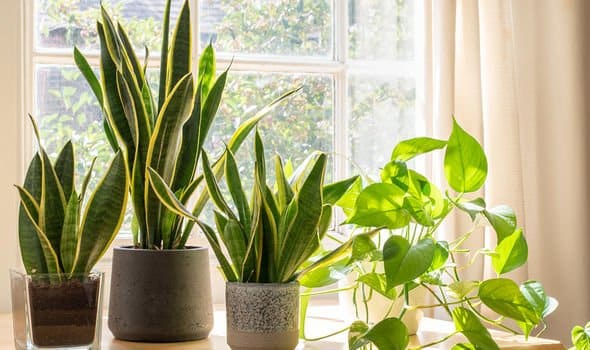
Pictured: Snake plants on a windowsill.
Place these natural air purifiers where they’ll make the biggest impact—beside your bed, on windowsills, or cascading from shelves to add visual interest. They’re working hard even when you’re asleep, releasing oxygen and filtering out harmful pollutants.
Embrace authentic materials that tell a story
Reclaimed wood brings instant character that synthetic materials simply cannot match. Each piece carries its own history through weathered grain patterns and natural imperfections. Studies show that these authentic materials can actually lower your blood pressure and reduce stress levels.
Rattan and wicker add laid-back warmth through their woven textures. These sustainable materials work beautifully for headboards, bedside tables, or decorative accents. Stone materials like marble and granite contribute strength and unusual textures whilst maintaining that crucial natural connection.
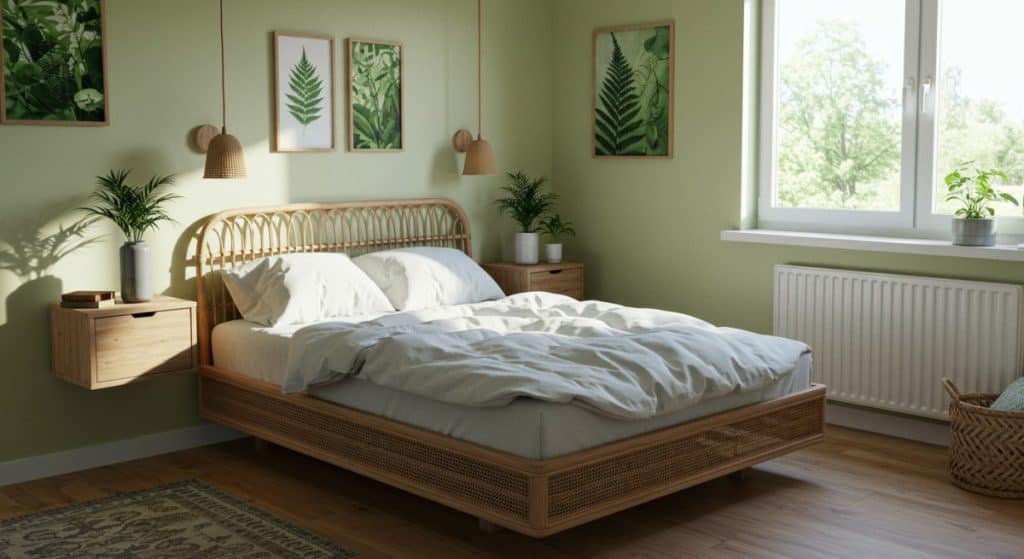
Image credit Bedstar: Small bedroom decor, nature inspired green, white linen bedding, nature inspired artwork, rattan small double bed, floating wooden bedside cabinets.
Skip the synthetic alternatives
Here’s the truth about synthetic materials: your body knows the difference, even when your eyes don’t. Authentic materials develop character over time—worn natural fabrics gain a soft sheen, wooden elements weather beautifully, adding depth to your space.
Choose organic fabrics like wool, cotton, and linen for your bedding and soft furnishings. They’re breathable, comfortable, and create tactile connections to nature that synthetic options can’t replicate. Plus, you’ll avoid exposure to potentially harmful chemicals found in synthetic products.
Your bedroom becomes more than just a place to sleep when you surround yourself with these living, breathing materials. You’re creating a retreat that supports both your physical wellbeing and emotional restoration.
Step 4: Choose a Nature-Inspired Colour and Form Palette
The colours you choose for your bedroom walls can make all the difference to how you feel when you wake up each morning. Nature offers the perfect palette for creating a space that truly supports restful sleep.
Pick calming, earthy tones

Image credit Bedstar: Eden Boucle 5FT King Size Bed Frame. Priced £569
Earth tones work beautifully in bedrooms because they ground you the moment you step into space. Think about the colours you see on woodland walks—soft beiges like sun-bleached driftwood, warm browns reminiscent of rich soil, and gentle greys that mirror weathered stone.
Some of the most loved nature-inspired bedroom colours include:
- Soft eucalyptus greens – these blue-green shades create a sophisticated yet welcoming atmosphere that feels both fresh and calming
- Muted sage with grey undertones – perfect for creating that crisp, organic look that adapts beautifully to changing light throughout the day
- Warm greige tones – this grey-beige blend reads differently depending on your lighting, sometimes appearing more grey, sometimes more beige
Research proves that these nature-inspired hues genuinely affect your mood. Sage green, soft lilac and gentle blues all possess soothing properties that help you unwind after long days.
Takeaway Tip: Test your chosen colours in different lighting conditions before committing—natural light can completely change how a colour appears.
Embrace organic shapes and patterns
Why stick with harsh geometric patterns when nature offers so much more? Biomorphic forms—shapes that echo natural elements—can reduce your stress levels by up to sixty percent when you bring them into your bedroom design.
Rather than sharp angles and rigid lines, look for:
- Gentle curves that mirror the flow of rivers or rolling hills
- Patterns inspired by leaf structures or shell spirals
- Subtle references to organic arrangements found in nature
These flowing forms create what designers call ‘soft fascination’—that perfect state where you feel relaxed but alert. Think scrolling leaves, intertwining vines, or the gentle rhythm of waves.
Keep it simple but interesting
Here’s the thing about creating a nature-inspired bedroom: less really is more. You want enough visual interest to keep the space engaging, but not so much that your eyes don’t know where to rest.
The secret lies in tonal colour—subtle variations of the same hue that let your eye move gently around the room. This creates a sense of calm that bright, contrasting colours simply can’t match.
Your bedroom should feel like a gentle embrace, not a visual assault. Choose natural, muted tones that whisper rather than shout, and you’ll create a space that truly supports both beautiful dreams and peaceful mornings.
Step 5: Create a full sensory experience
Your eyes aren’t the only sense that matters when creating a nature-inspired bedroom. True biophilic design works with all five senses to create a connection with nature that feels completely natural.
Bring natural scents into your space
Smell connects directly to your emotions and memories more than any other sense. This makes scent one of the most powerful yet overlooked tools for creating your perfect natural sanctuary. Natural fragrances instantly transport you to outdoor environments and can dramatically improve your sleep quality.
Try these nature-inspired scents:
- Lavender – melts away stress and supports peaceful sleep
- Eucalyptus – eases tension and helps you breathe more deeply
- Cedarwood – creates that grounding, forest-like atmosphere
Reed diffusers work beautifully for continuous, subtle scent without overwhelming your space. City dwellers particularly benefit from these earthy aromas that compensate for limited access to green spaces.
Choose textures that feel naturally good
Natural materials against your skin create a tactile connection that synthetic alternatives simply can’t match. Wool blankets, linen bedding and jute rugs bring varied textures that keep you present and mindful in your environment.
These natural fibres regulate temperature throughout the night, keeping you comfortable regardless of the season. Think about the contrast of sensations—stepping from wooden flooring onto a soft rug, then slipping between cool linen sheets. These varied textures heighten your awareness of your surroundings.
Add gentle sounds of nature
Water sounds create what experts call ‘soft fascination’—that relaxed-but-alert state where your mind can wander without feeling overstimulated. Unlike jarring noises that put your body on high alert, the gentle, predictable rhythms of water help quiet your brain’s vigilance system.
Small tabletop fountains bring this calming effect into bedrooms without taking up much space. Even brief exposure before sleep can dramatically improve relaxation. Don’t have space for water features? Sound machines or apps with rainfall, ocean waves or forest sounds offer similar benefits.
Takeaway Tip: Layer different sensory elements gradually. Start with one new scent or texture, then add others once you’ve found what works for your space.
Your nature sanctuary awaits
Creating a biophilic bedroom isn’t just about following the latest design trend—it’s about reclaiming your connection to the natural world, one room at a time. The five steps we’ve covered give you everything you need to transform your bedroom into a space that genuinely supports your wellbeing.
Here’s what makes this approach so powerful: even small changes can make a real difference to how you sleep, how you feel, and how you start each day. You don’t need to redesign your entire bedroom or spend a fortune. A few well-chosen plants, some natural textures, and better lighting can shift your space from ordinary to extraordinary.
The beauty of biophilic design lies in how it engages all your senses at once. When you combine the visual calm of earthy colours with the fresh scent of eucalyptus, the soft touch of linen sheets, and the gentle sound of water, you create something much more powerful than any single element could achieve alone.
Ready to start your bedroom transformation?
Remember, there’s no one-size-fits-all approach here. Your ideal nature sanctuary might look completely different from someone else’s, and that’s exactly as it should be. Trust your instincts about what feels right in your space.
Takeaway Tip: Start with just one element that appeals to you most—perhaps a snake plant for your bedside table or swapping your synthetic pillowcases for organic cotton ones.
Your bedroom should work as hard for your wellbeing as you do every day. Whether you implement all five steps this weekend or spread them out over the coming months, you’re creating more than just a beautiful room. You’re building a daily retreat that helps you rest better, wake up refreshed, and feel more connected to the natural world around you.
Don’t wait for the perfect moment or the perfect budget. Your nature-inspired bedroom journey starts with whatever step feels right for you, right now.
Key Takeaways
Transform your bedroom into a nature-inspired sanctuary that supports better sleep, reduces stress, and enhances overall wellbeing through these essential biophilic design principles:
• Maximise natural light and fresh air – Use sheer curtains and mirrors to enhance daylight, open windows daily for ventilation, and add dynamic lighting that mimics natural rhythms to support your circadian cycle.
• Incorporate living elements and authentic materials – Select low-maintenance plants like snake plants or peace lilies for air purification, and choose reclaimed wood, rattan, and stone over synthetic alternatives.
• Choose calming, earth-inspired colours – Opt for sage greens, soft blues, and warm beiges that reflect natural environments, whilst incorporating biomorphic patterns that mimic organic forms found in nature.
• Engage all five senses for deeper connection – Add natural scents through essential oils, introduce soft textures like wool and linen, and include gentle water sounds or nature soundscapes.
• Start small but think holistically – Even minor changes like adding plants or switching to natural bedding materials can yield significant benefits when part of a comprehensive approach to nature-inspired design.
Remember, biophilic design isn’t about cramming your bedroom with plants—it’s about creating meaningful connections with nature through thoughtful material choices, sensory experiences, and spatial arrangements that support your natural rhythms and wellbeing.