
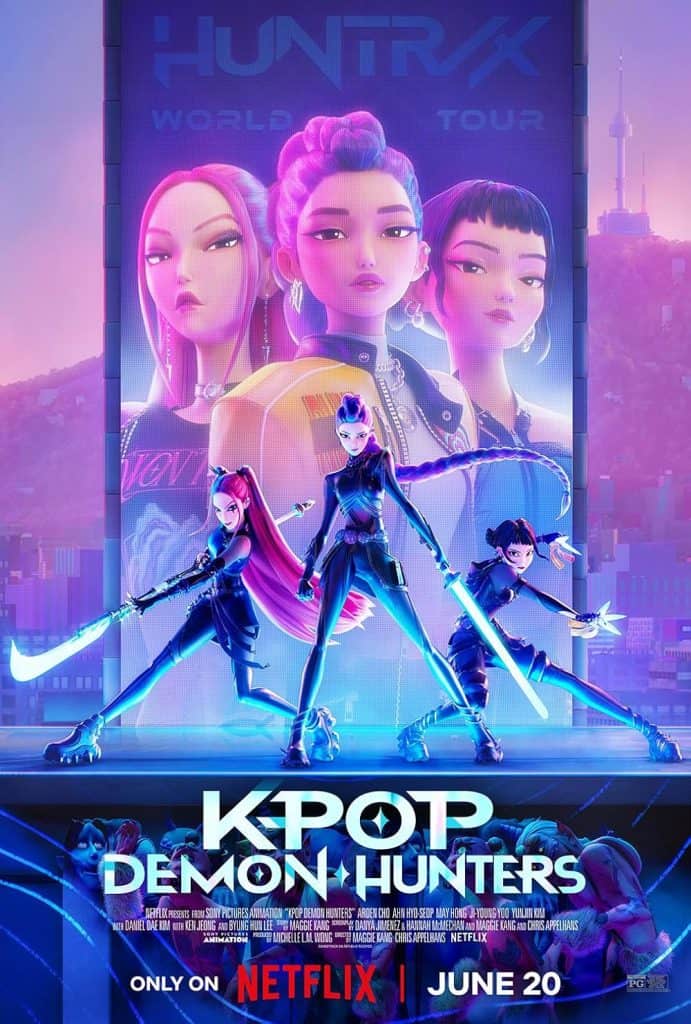
When KPop Demon Hunters exploded onto Netflix, everyone was talking about the insane soundtrack, the jaw-dropping concert battles, and Huntr/x instantly becoming our new fave idol group.
But this movie is much more than glitter, choreography, and demon-slaying drama. It’s absolutely packed with references to Korean mythology and cultural traditions. These are the kind of details you’ll only catch if you know your folklore, or if you’ve watched the movie 10 times like we have.
So grab your light stick, turn the volume up, and let’s dive into the coolest folklore Easter eggs hidden in KPop Demon Hunters. Warning: once you see these, you won’t be able to unsee them.
1. The Saja Boys = Grim Reapers With Idol Glow
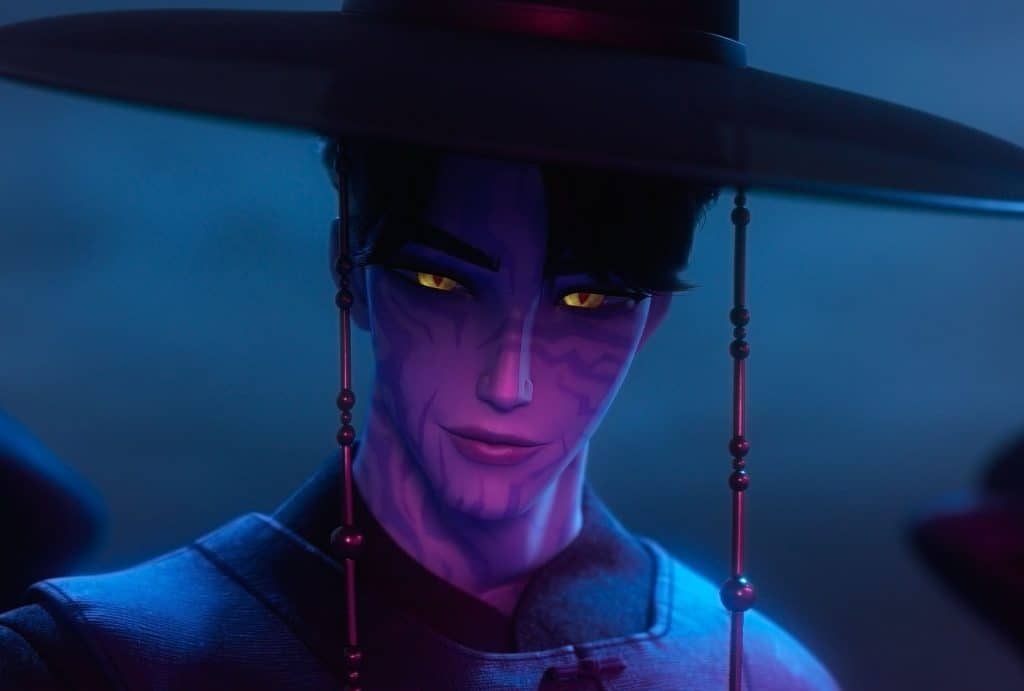
The rival boy band didn’t just pop out of nowhere — their name, Saja Boys, comes straight from saja, the grim reapers of Korean folklore. Traditionally, these beings wear black robes and wide hats as they escort souls to the afterlife. In the movie, that creepy aura gets a K-pop makeover with slick stage outfits, smirks, and choreography sharp enough to kill. Iconic.
2. The Gwi-Ma Demons Are Folklore Hybrids
When the girls go head-to-head with the Gwi-Ma, it’s not just random monster design. Gwi means ghost, ma means demon or evil spirit — so the name literally mashes up two classic nightmare fuel sources.

3. Rumi’s Lineage Is Straight Out of Myth
Rumi being part demon? That’s not just a juicy plot twist. In Korean stories, there are tons of legends about humans secretly carrying the blood of mountain spirits, river gods, or other mystical beings. Rumi is basically the modern animated version of those half-spirit heroes, but with better eyeliner.
4. The Honmoon Spellbooks Are Spiritual Gateways
Honmoon might sound like a made-up magical word, but break it down: hon = soul, mun = gate or text. Put together, Honmoon spellbooks are literally “soul gates.”
That tracks with Korean shamanic practices where written charms and texts act as bridges between worlds. So when Mira and Zoey whip out those spellbooks, it’s not just for flashy neon effects, it’s rooted in real ritual symbolism.
5. The Han River Battle Isn’t Just Pretty Scenery
K-dramas have made the Han River a cinematic backdrop, but its presence here is loaded with meaning.
In folklore, rivers are boundaries between the world of the living and the dead. Which makes the Han the perfect stage for a showdown with spirits. That fight was epic but it was also highly symbolically charged.
6. The Costumes Are Pure Obangsaek Energy
Look closer at the color choices in the demon hunters’ outfits. They echo obangsaek, the traditional Korean five-color system (blue, red, yellow, white, black). Each color represents a cosmic direction and element, tied to balance and harmony.
In other words, those outfits aren’t just fashion, they’re low-key cosmic armor.

7. The Flickering Fans in the Crowd = Ghosts
Remember during the concert when some of the fans in the audience glitched in and out like bad CGI? That wasn’t a rendering mistake. It’s a folklore nod to the belief that spirits can slip into crowds undetected. Huntr/x really had living fans and dead fans hyping them up. Chills.
8. Zoey’s Mirror Trick Is Old School Spirit Protection
Zoey’s reflective weapon moves weren’t just stylistic flair. Mirrors in Korean tradition are powerful objects that can reveal truths or repel spirits.
By turning mirrors into weapons, Zoey channels one of the oldest protective tools in folklore but with a glossy, idol-approved twist.
9. Lanterns = Spirit Guides
Those glowing lanterns scattered in night scenes are not just atmospheric. They connect to Cheongsa Chorong, the hanging lanterns used during rituals to guide wandering spirits. The animators snuck in a classic tradition disguised as K-pop stage props.
10. Derpy the Tiger & Sussie the Bird Are Straight From Korean Folk Art
Derpy and Sussie might look like goofy sidekicks, but they’re actually one of the biggest folklore nods in the movie. In traditional Korean folk paintings called minhwa, you’ll often see a tiger paired with a magpie. The tiger stands for protection against evil, while the magpie is a bringer of good news.
In KPop Demon Hunters, Derpy takes on that playful protective role, while Sussie (with those extra sets of eyes!) adds a mystical edge. They’re not demons, the movie makes that clear, but they exist “between worlds,” guiding and helping the girls in subtle ways.
It’s the perfect modern twist on an old folk pairing, and now you’ll never look at Derpy’s antics the same way again.

11. The Final Bow Has Ancestral Roots
At the end, Huntr/x bows deeply to their fans. Cute, right? But the move also mirrors jesa rituals, where families bow to honor their ancestors.
It’s like the group is bowing not just to their fans but to the spirits and traditions that came before them. Talk about layers.

Kpop Demon Hunters Easter Eggs Make the Movie Even Better
KPop Demon Hunters works as a fun, singalong action-packed ride even if you don’t catch a single one of these references. But once you know the folklore baked into the story, it hits differently.
KPop Demon Hunters is a love letter to Korean culture, mythology, and the global reach of K-pop. By blending ancient folklore with modern idol life, the movie creates a world that feels both otherworldly and deeply rooted in tradition.
Every battle, every costume choice, even the background details take on deeper meaning. That’s why this movie feels so rich, it’s bridging K-pop spectacle with centuries of Korean storytelling.
So next time you stream it (because you know you will), keep your eyes peeled for even more hidden nods. And let us know: which Easter egg blew your mind the most?
6 thoughts on “11 Hidden Korean Folklore Easter Eggs in KPop Demon Hunters You Totally Missed”