
Let’s settle this once and for all – is there actually a “correct” arm to wear a bracelet on, or are we all just vibing and hoping for the best?
Short answer: there are no strict rules.
Long answer: oh, there are so many meanings, traditions, and personality signals tied to whether you wear your bracelet on your left wrist or your right wrist.
And yes, people absolutely read into it more than you think.

Left Wrist vs Right Wrist For a Bracelet
Most people instinctively wear bracelets on their left wrist. Why? Because for right-handed people, the left side of the body is less involved in daily tasks. That means fewer clanks on desks, fewer accidental scratches, and less chaos in general.
But beyond practicality, the left wrist has a whole reputation.
In many spiritual traditions and various cultures, the left arm is associated with receiving energy. So wearing crystal bracelets or symbolic wrist accessories on your left wrist is often linked with attracting positive energy, protection, and good luck. Think of it as the “I’m open to good vibes only” arm.
Meanwhile, the right wrist is usually seen as the giving or action side. If you wear a bracelet on your right hand side, some belief systems say it represents confidence, outward energy, and intention. Basically, it’s the bold, expressive option.
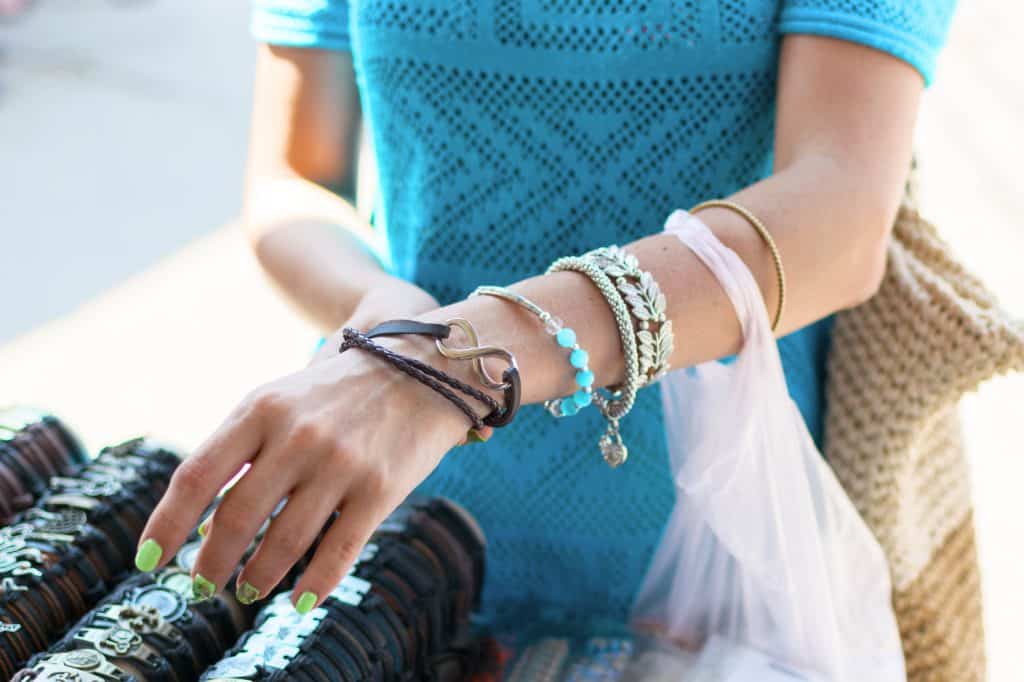
The Cultural Meanings Around the World (Yes, It Changes)
Across cultural traditions, bracelet placement can carry subtle meaning.
In some parts of Asia wearing a bracelet on the left wrist is commonly connected to luck and spiritual symbolism, especially when it comes to feng shui bracelet choices or protective charms. The idea is that energy enters through the left side and flows outward through the right.

Which arm to wear your Feng Shui Bracelet?
A Feng Shui bracelet is a type of bracelet that’s worn with the intention of attracting positive energy, protection, wealth, or balance, based on the principles of feng shui (the Chinese practice of harmonizing energy in your environment and life).
It’s not just a cute accessory. It’s meant to be symbolic.
In feng shui, everything revolves around energy flow, often called “chi.” A Feng Shui bracelet is believed to help direct or enhance that energy depending on the materials, symbols, and which wrist you wear it on.
Most commonly, these bracelets are made with natural materials like crystals, obsidian, jade, or wood beads because they’re thought to carry specific energetic properties. So instead of just being jewelry, it’s seen as a wearable energy tool.
The black bead bracelet with a little gold creature on it?
That’s usually a Pixiu (or Pi Yao) Feng Shui bracelet.
Pixiu is a mythical Chinese creature associated with wealth and protection. In feng shui symbolism, it’s believed to attract money and guard against negative energy. That’s why these bracelets are often marketed as “wealth bracelets” or “lucky bracelets.”
So which arm are you supposed to wear it on? This is where feng shui gets very specific.
Traditionally, you wear a Feng Shui bracelet on your left wrist. The left side of the body is considered the receiving side in many spiritual traditions, meaning it’s where you attract positive energy, luck, and opportunities.
Wearing it on the right wrist is sometimes said to release or project energy instead of attracting it, which is why feng shui followers usually avoid that if the bracelet is meant for wealth or protection.

Does It Actually “Work”? That depends on who you ask.
From a spiritual perspective, people believe it works through intention, symbolism, and mindfulness. Wearing something daily that represents protection or abundance can influence mindset, confidence, and habits.
From a purely practical or fashion perspective, it’s just a bracelet with cultural and symbolic meaning. Stylish, meaningful, and often made from high-quality natural materials.
Originally, Feng Shui bracelets come from Chinese cultural traditions and metaphysical practices, not modern fashion trends. But thanks to TikTok, wellness culture, and aesthetic jewelry trends, they’ve become super mainstream globally.
Moving on, In South Africa and other regions with strong symbolic jewelry traditions, bracelets can represent milestones, identity, or protection, and placement often comes down to personal style mixed with cultural meaning rather than rigid placement rules.
And in contrast to all of this, certain Western fashion circles treat bracelet placement as purely aesthetic. The right wrist might be chosen simply to balance a watch on the left hand, creating a more intentional overall look.
So while some traditions attach deeper symbolism, others are firmly in the “wear what looks good” camp.
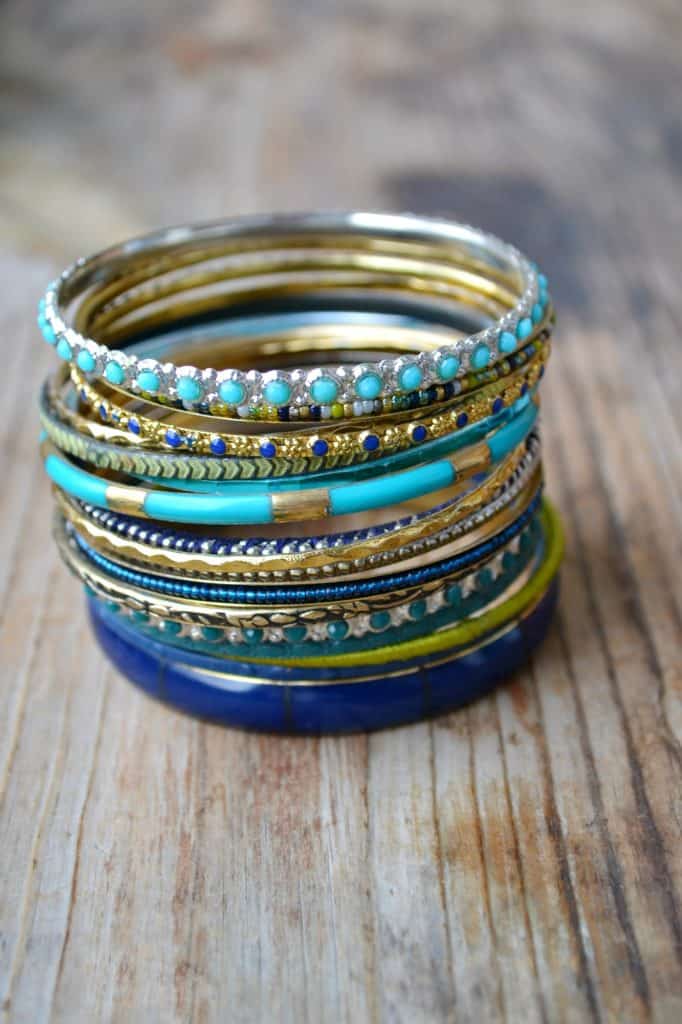
The Practical Bracelet Rule No One Talks About
Here’s the real-world logic: wear your bracelet on your non-dominant hand.
If you’re right-handed, the left wrist is usually the winner for everyday wear because it avoids constant contact during daily activities like typing, writing, and scrolling your phone for three hours straight (no judgment). This is why many men’s bracelets and delicate pieces are styled on the opposite dominant hand – it preserves both the bracelet and your sanity.
If you’re left-handed, flip the logic. Your right wrist becomes the low-drama option.
Not deep. Just smart.

The Energy Crowd vs The Fashion Crowd
There are basically two bracelet philosophies.
The energy people believe placement matters. A bracelet worn on the left wrist = receiving positive energy. On the right wrist = projecting energy, intention, and protection outward.
The fashion people? They’re matching their gold bracelets, stainless steel stacks, or diamond bracelets to watches, outfits, and the desired look. Placement is just another styling decision.
Both are valid. One is spiritual. One is aesthetic. Both look good.
What About Men vs Women?
Historically, bracelet placement wasn’t gendered in most cultures. But modern styling has shifted the narrative a bit.
Bracelets are now considered an essential element of modern men’s accessories, and many stylists recommend the left wrist for men’s bracelets simply because watches traditionally sit on the left hand. Stacking on the right wrist creates balance and subtle accents without overcrowding one side.
For women wear trends, it’s even more flexible. Fashion leans heavily into mixing countless styles across both wrists, especially for statement stacks or layered crystal bracelets.
Translation: symmetry is optional. Vibes are not.

What Does It Mean If You Wear Bracelets on Both Arms?
Wearing bracelets on both arms usually doesn’t have one fixed meaning – it’s more about balance, personal style, and intentional layering than any strict symbolism. In some spiritual traditions, stacking on both the left arm and right wrist is seen as balancing energy, with the left side of the body associated with receiving positive energy and the right side linked to action and expression.
But in modern fashion terms, it simply signals confidence and a bold approach to wrist accessories. People who wear bracelets on both wrists often treat them as part of their overall look rather than just a single accessory, mixing textures, metals, or crystal bracelets to create a cohesive vibe. Practically, it can also reflect daily wear habits, like pairing a watch on one side and bracelets on the opposite dominant hand for comfort during daily activities. Overall, it’s less about strict rules and more about personal preference, styling balance, and creating a stacked look that feels intentional rather than random.
Special Occasions vs Everyday Wear
For daily wear, comfort usually wins. That means the non-dominant hand, fewer interruptions, and less wear and tear.
But for special occasions, rules go out the window. Styling becomes the priority. You might wear a bracelet on your right wrist to highlight a ring on your left hand, or switch sides entirely depending on your outfit and personal style.
Yes, it’s that strategic.

So… Is There a “Right” Arm?
Honestly? No.
There are meanings tied to the left wrist and right wrist across various cultures and spiritual traditions, but modern fashion is all about personal preference. Some people wear bracelets for symbolism, others for aesthetic, and most of us just want it to look good in photos and not get caught on everything we touch.
If it feels comfortable, matches your personal style, and fits your everyday wear habits, you’re doing it right.
Next time someone tells you there’s a strict rule about bracelet placement, just smile and move it to whichever wrist of your preference feels cooler that day.