If TikTok had its way, your car would be maintained with coconut oil, toothpaste, and whatever’s left under the kitchen sink. Scroll for five minutes and suddenly everyone’s a mechanic, bodywork specialist, and detailing expert, all armed with boiling water and blind confidence.
#CarTok might rack up hundreds of millions of views, but virality doesn’t equal credibility, and when it comes to cars, bad advice doesn’t just look stupid – it gets expensive. Fast. What’s sold as a clever money-saving shortcut often ends in ruined paint, damaged engines, voided warranties, and resale values quietly circling the drain. An automotive expert weighs in on four viral car “hacks” that look impressive on screen and disastrous in real life.
When money is tight, the appeal of a quick car fix using items from the kitchen cupboard is understandable. TikTok has made DIY car maintenance more accessible than ever, with #CarTok generating over 876 million videos packed with tips, hacks and interior trends.
But while scrolling through these bite-sized tutorials might feel empowering, a lot of these viral solutions come with hidden costs that far exceed the original problem.
“The rise of car hack videos on social media has been staggering, but not all advice is created equal,” says William Fletcher, MBE, CEO of Car.co.uk, the UK’s one-stop automotive platform run by car experts helping motorists at every stage of ownership.
“What starts as a £5 household product fix can quickly turn into a £500 repair bill.”
While some TikTok tips are genuinely useful, others pose genuine risks to vehicle safety, performance and value.
The TikTok Car Hacks to Avoid
So let’s break down the most popular car hacks that drivers should avoid and why they cause more problems than they solve and what to do instead.

1. Rubbing Coconut Oil or Vinegar on Faded Paint
Videos showing coconut oil, olive oil or vinegar restoring shine to faded paintwork rack up millions of views. The results look impressive, but they don’t last.
“These household products might give your car a quick shine, but they break down the protective clear coat that shields your paint from UV damage and corrosion,” Fletcher explains. “Once that layer is compromised, you’re looking at accelerated fading, potential rust and a respray costing upwards of £1,000.”
Vinegar is particularly problematic. Its acidity etches into paint, leaving permanent marks. These substances also attract dirt, meaning your car looks worse within days.
Use this fix instead: Use a proper car polish or wax designed for automotive finishes. A decent product costs £10-£30 and protects rather than damages.
2. Using Household Products as Engine Cleaners
TikTok videos show people pouring cola, dishwashing liquid or washing powder into engines to “clean” them. The logic seems sound (these products cut through grease) but the damage is severe.
“Household cleaners strip away protective coatings, corrode metal parts and contaminate your oil system,” says Fletcher. “I’ve seen engines seize completely after someone tried a viral cleaning hack.”
Cola contains sugars and acids that damage engine components. Dishwashing liquid creates foam that blocks oil passages. Washing powder leaves residue that destroys seals and gaskets.
Use this fix instead: Use a proper engine degreaser or visit a mechanic. Most engine cleans cost under £50.
3. DIY Dent Removal Using Boiling Water
The boiling water dent removal method involves pouring hot water over plastic bumper dents, then pushing them out. While this works on very minor dents, it carries serious risks.
“Boiling water can warp the plastic, crack the paint or damage the bumper’s internal structure,” Fletcher notes. “I’ve seen bumpers develop stress fractures weeks later.”
The risk increases if the bumper has any existing paint damage. Water can also damage sensors, wiring or mounting points. This applies to the viral hack of using boiling water to de-ice windscreens: the thermal shock can crack the glass.
Use this fix instead: Use professional paintless dent removal (£50-£150). For windscreen ice, use proper de-icer or your car’s heating system.
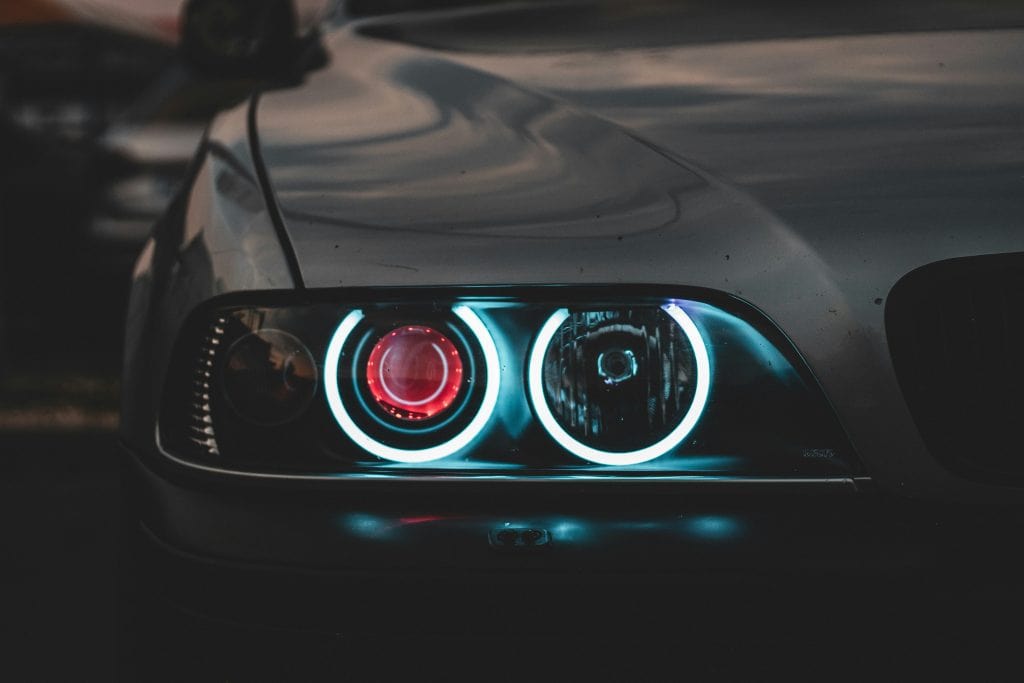
4. Toothpaste as a Car Headlight Restorer
Videos showing toothpaste clearing foggy headlights are hugely popular. The results look great initially, but the fix creates bigger problems.
“Toothpaste is mildly abrasive, which is why it seems to work,” Fletcher explains. “But it removes the protective UV coating on your lenses. Within weeks, the cloudiness returns worse than before.”
The abrasive particles create microscopic scratches that diffuse your headlight beam, reducing visibility and potentially causing MOT failure. A £2 fix becomes a £200-£400 headlight replacement.
Use this fix instead: Use a proper headlight restoration kit with UV sealant (£15-£25) or have them professionally restored for £40-£80.
Viral Fixes Can Cost Drivers More
The immediate appeal of TikTok car hacks is clear: they’re cheap, quick, and use items already at home. However, the long-term costs tell a different story.
Warranty implications are significant. “If you’ve used unauthorised cleaning products or methods, your manufacturer can refuse to cover related damage,” says Fletcher. “A £5 hack could mean losing thousands in warranty coverage.”
Insurance companies can also reject claims if improper maintenance contributed to an accident. Weakened bumper mounts from boiling water damage or reduced visibility from scratched headlights give insurers grounds to refuse payouts.
Professional buyers and dealers spot signs of DIY fixes during inspections. Paint damage, poorly repaired bodywork or signs of unauthorised engine work all reduce what you’ll get when selling. The money you thought you’d saved disappears at resale.
Then there are the repair costs. What begins as a free fix using kitchen cupboard items often leads to professional repairs costing hundreds or thousands. Engine damage from contaminated oil, cracked windscreens from thermal shock, or destroyed paint requiring full respray work all cost far more than the original issue.
“Headlights that don’t illuminate properly, structurally weakened bumpers or engine damage not only cost money, but endanger lives,” Fletcher adds. “Some CarTok advice is genuinely useful, but when it comes to your vehicle’s safety systems or mechanical components, the risks aren’t worth it.”
“Not all viral car tips are bad, as some genuinely help drivers save money and maintain their vehicles better. The problem is knowing which advice to trust. Social media rewards dramatic transformations and quick fixes, not long-term solutions.
“Before trying any hack you see online, ask yourself: would a professional mechanic do this? If the answer is no, there’s usually a good reason. Your car is one of your biggest investments, and cutting corners on maintenance rarely ends well.
“When in doubt, consult someone with proper training. A quick call to a trusted mechanic can save you from expensive mistakes. The best car care advice comes from understanding how your vehicle actually works, not from viral trends.”
– William Fletcher, MBE, CEO of Car.co.uk
TikTok loves a dramatic before-and-after. What it doesn’t show is the repair invoice, the MOT failure, or the awkward conversation with a dealer who knows exactly what you did to your car. Kitchen-cupboard car care isn’t rebellious or clever, it’s just cutting corners on one of the most expensive things you own. Sure, not every viral tip is total nonsense, but when a “hack” risks your safety, your warranty, or your resale value, the vibes aren’t worth it. If the fix sounds too easy, too cheap, or too chaotic to be endorsed by an actual professional, it probably belongs in your For You Page, not under your hood.